“So, How Are You Really Doing”?

Asking wellbeing questions shows you care

Checking in with someone going through a tough time is part and parcel of being a good friend or #manager

That can mean asking ‘How are you’?

It can even mean asking the question twice and using #emotionalintelligence after hearing the answer.

It might feel uncomfortable being asked the question, or asking it (I’ve been in both situations). But from my experience the query is a game changer.

Anyway, here’s a reminder about what is involved in that level of care.   

Feel free to leave a Like if this is a timely nudge.  

How To Thrive After #WorldMentalHealthDay

Take a look at the video for low and no cost ideas to improve your mental health

There are a few simple, steps we can take to look after ourselves and improve our mental health.

Take a look at the video if you want a reminder of what they are.

Leave a Like if the information helps you and check back on the YouTube channel for related content in future.    

Public Health: What Problems Are #Preventable ?

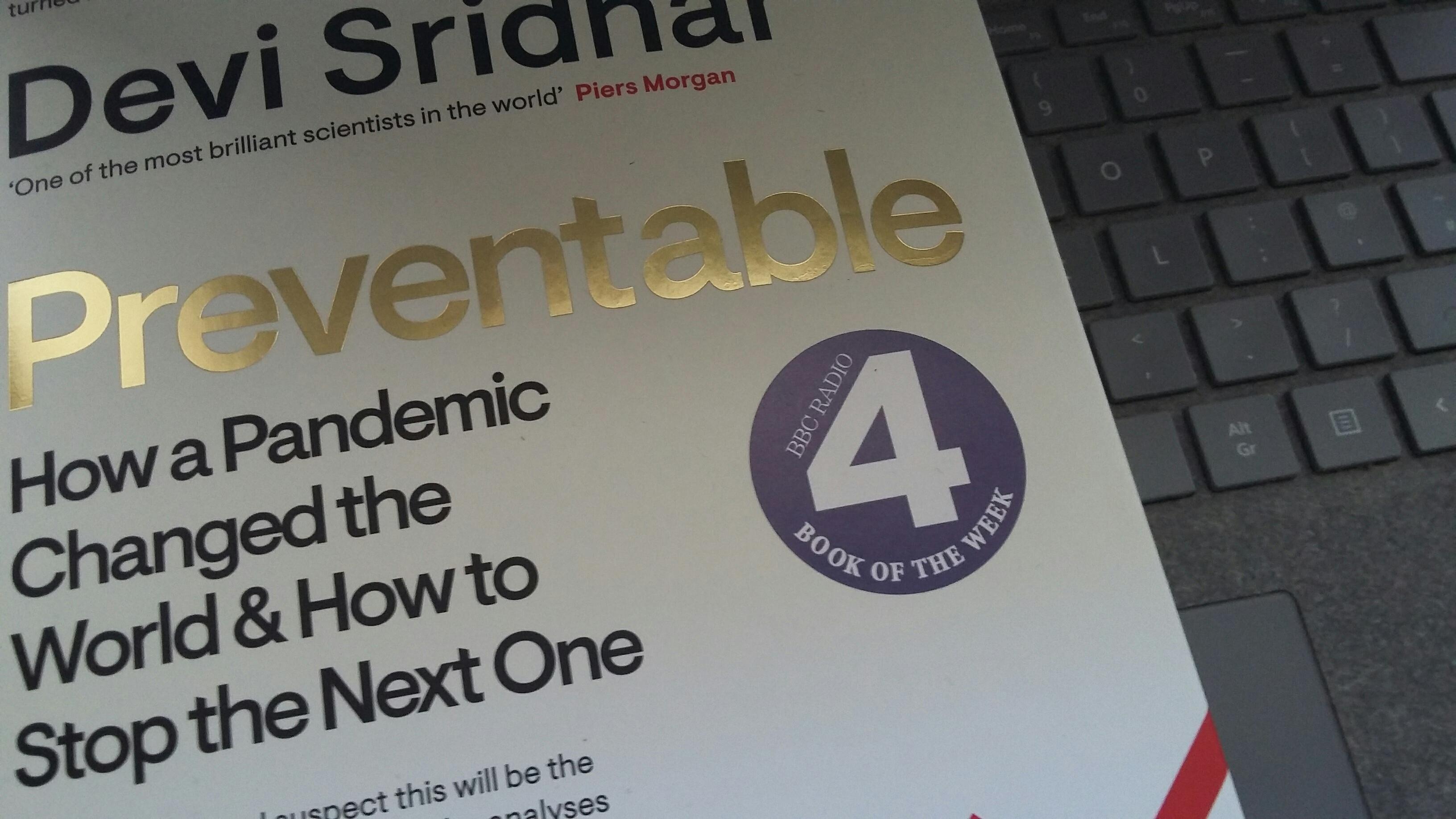
Cover – Preventable How a Pandemic Changed the World & How to Stop the Next One by Devi Sridhar

Mental health charity Mind says spending time in nature is good for our mental health.

And they are right.

Being outdoors means: slowing down; breathing deep and feeling the sun on your face.

How many office-based headaches, neighbourhood tensions, or bereavement blues could be lessened by some outdoors therapy?

Of course it is privilege to simply take a long walk outdoors, after months of lockdown. But it is a privilege that 174,000 British people can never again enjoy (they are the ones who have died of Coronavirus since March 2020).

There is a story behind each of those deaths, whether they happened at home; in a hospital ward; or in a care setting.

Many deaths will have been preventable, had there been more inspired public health leadership in place, before the pandemic arrived.

No one can say for sure how many lives might have been saved if hospital patients had been tested before returning to their care homes, (or if there had been effective protective rings around those homes).

In her new book (cover shown above) Professor Devi Sridhar does ask some searching public health questions about how society can be reimagined to help reduce the impact on society of future pandemics. Taking action now might reduce the number of parents, friends and neighbours we lose in the next pandemic, whenever it occurs.

Take a look at her book, it is worth your time.

It’s #Timetotalk

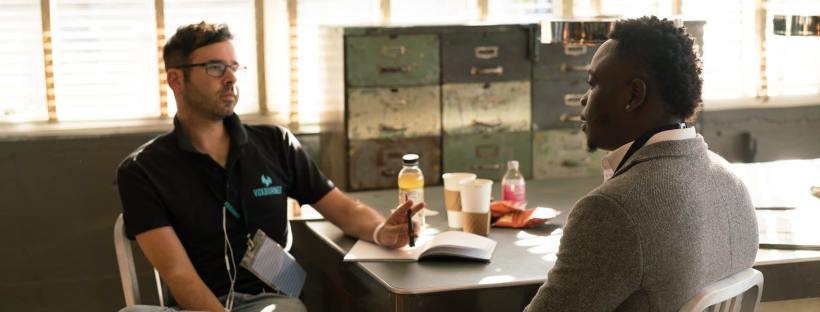
Men talking – Picture credit Pexels.com

The hardest part about living with a mental health challenge?

Others can’t see it.

Broken limb?

We wear a plaster cast.

Feeling broken down?

We need to start talking.

Being vulnerable.

Opening up about the hurt.

Inviting someone to support us.

In person, or online.

In confidence.

In our own interests (and for the sake of our loved ones).

It is always a good time to talk.

#MentalHealthAwarenessWeek2021

Lockdown: how has it felt to you?

Did staring at the same four walls each day get you down?

If the answer is ‘sometimes’. join the club.

I’ve found staying indoors to avoid infection hard sometimes.

Safety has meant less

  • fresh air
  • sunshine
  • social contact

There are health benefits resulting from connecting with nature. That can mean raising a plant indoors or taking a walk outdoors. Follow the link if you want to know more:

Mental Health Awareness Week 2021

So, from this week on I am going to spend a bit more time taking care of my health, with help from Nature itself.

How about you?    

Picture Credit Pok Rie at Pexels.com

Let’s Talk #InternationalMensDay

Today is International Men’s Day.

The theme for 2020 is, Better Health For Men And Boys.

From my experience of life’s ups and downs (including depression in the early 2000s), I figure we can do better when it comes to mental health.

I haven’t known many people to take their own lives, but all those I’ve been aware of to die in this way were men.

In 2019 men accounted for 3 out of 4 UK suicides.

Men can bottle things up until the burden they are carrying seems too much to handle. That is when things can get grim.

Talking about the feelings we are carrying around helps.

Talking to a trusted family member, supportive friend, or skilled therapist.

Talking until the burden starts to get smaller.

Let’s talk more this year, so more men can enjoy better mental health and take the chance of inspiring the next generation to do the same.

(Picture credit Linkedin Sales Navigator at Unsplash)

Men Discussing Life

3 More Steps After #MentalHealthAwarenessWeek

So, here we are and MHAW has just ended and men have spoken up. However, the conversation about better mental health continues. Luckily, we have tools available to us to improve our health, as well as the support to help us keep going.

Here are three more steps to better mental health.

Ask ourselves what is going inside and how we feel about it. Is everything good? Or is there more anxiety and darkness than usual? The greater the disturbance the less successful our relationships and productivity.

Build up our personal networks, so we are connected to people – family, friends, professionals – who understand our situation and can support us when we need it. Being able to support them is a bonus!

Continue these conversations. It is important to keep having those conversations about positive mental health and to reduce the stigma sometimes associated with these conditions.

How do you address your mental health needs? Feel free to add your voice to the conversation with a comment below.

(Featured image credit – Nappy at Pexels.com)

How To Make Welsh Rarebit: And Forget #Coronavirus For A While

Creating Something – Like A Simple Meal – Can Improve Our Mood

So, how are you doing today?

No. Really. How are you doing?

Anxious? Concerned? Unsettled?

No harm in having any of these feelings (at different times since the Covid-19 pandemic started I have felt one or two of these states).

The trick is to find a way to comfort yourself, so you are more like yourself and better able to help other people. Any small step will do.

Exercise.

Music.

Food.

Whatever works.

We won’t be locked-down forever, so living it up, in a small way is worth it. I hope the recipe gets you thinking about what you can do to get moving in a more positive direction.

3 Steps to Beating The Autumnal Blues

Experience less stress by getting out into the world - Photo by Aleksandar Pasaric from Pexels

Experience less stress by getting out into the world – Photo by Aleksandar Pasaric from Pexels

The clocks have gone back, so the end of the year must be close by. Do you ever feel like staying indoors and hibernating until the spring? I have felt like that, so it is understandable if you answered ‘Yes’.
It is better though to set a goal to do something to safeguard your health and then take action to tackle that goal.
Why?
Because, despite the cold, wet and gloom of the autumn there are health benefits to getting out and about. Doing this means we get to experience:
  • Fresh air, instead of the recycled climate stirred up by air conditioning
  • Fresh scenery and the chance to top up our vitamin D reserves
  • Fresh perspectives and space for mindfulness, not the time suck of incoming messages that keep us nailed to our desks
Mixing things up keeps things from getting stale. That’s good news for you, your team and your customers. I hope the ideas above help you over the coming weeks. Feel free to share your secrets to beating the autumnal blues!