3 Steps To Overcome Overwhelm By Embracing #Assertion #Leadership #Responsibility

American Football

Overcoming Setbacks Is Part Of Life (Picture from GaborfromHungary from morguefile.com)

Any job can kick your butt.

If you get knocked down often enough you lose sight of your goals. Your results can nose dive. Your team spirit vanishes. You hate Sunday night (it reminds you of Monday morning). Welcome to survival mode.

If the situation continues for long enough it can have serious health implications too.

Next stop burn-out.

How Many Stressed Out People Are There In Great Britain?

You are far from alone if you have ever been so stressed out you needed time-off from work. According to Health and Safety Executive (HSE) data (1):

The total number of cases of work-related stress, depression or anxiety in 2013/14 was 487 000 (39%) out of a total of 1 241 000 cases for all work-related illnesses.

From personal experience I know the costs behind the HSE’s numbers. Those costs are measured in disruption to personal and family life; the impact on team outputs; the downturn in customer satisfaction.

It is the difference between enjoying life in 3D and enduring it in 2D. So what are the elements that help you start to overcome overwhelm?

Effective Leadership

Skilled and confident senior staff help to balance workloads and they practice realism when goal setting for their teams. They are people who value people just as much as spreadsheets.

These leaders create the safe space in which team members produce excellent results; manage risks and speak up about issues that affect results.

That communication is a regular part of the flow within the team. No one wants an unexpected and stress-filled adult-to-adult conversation to kick off; leaving a manager angry and their team member acting like an upset child.

Personal Responsibility

Responsibility starts with self-awareness. How does the team / organisation feel to you? How is it serving customers? How are your values represented? Is the work flowing freely or piling up on your desk?

I’ve found that people know when a situation ‘feels’ wrong. They are the ones having sleepless nights and stress-filled days.

Your self-awareness check will tell you whether: colleague relationships are also suffering; customer feedback shows that they aren’t getting what they expected; it is time to speak out.

Responsibility involves speaking out when these factors are present and reducing the flow of ideas and energy within the team. You can suggest how a change will improve relationships and boost customer satisfaction. Why keep good ideas to yourself?

Remember to have empathy for senior managers. They are always being pushed to produce more outputs, more quickly with less resources in their teams.

Assertive Communication

From experience, research and work with coaching clients there is value in communicating assertively.

Communicate your feelings positively. Don’t turn any negative feelings in on yourself.

After all, teams with good communication and engagement channels produce better results. That is a key part of the virtuous circle: research shows that being heard and valued is a core component of engagement, which is an important part of producing great results.

Workshop Ideas

I am leading a workshop in 7 days drawing on many of the ideas above.  The event takes place in a week on 5 July (2) and before then I will share some further insights.

As a start, take the opportunity to read Rebecca Knight’s Harvard Business Review article (3). It is worth your time.

What Is Your Solution To Overcoming Overwhelm And Combatting Workplace Stress?

Add your voice to this conversation in the comments below. Your views will help another leader or staff member dealing with these issues.

Please share this post with others, where that will help someone improve customer satisfaction; create a more supportive team and experience greater job satisfaction.

Resources

(1)

http://bit.ly/HSE_Stress_Related_Disorders_GB_2014

(2)

http://bit.ly/An_Assertiveness_And_Success_Workshop

(3)

http://bit.ly/HBR_Rebecca_Knight_How_To_Handle_Difficult_Workplace_Conversations


3 Benefits You Get From Inspiring And Motivating #Content

Progress Involves Setting Goals Taking Action And Achieving Great Results

Progress Involves Setting Goals Taking Action And Achieving Great Results

It was great to start a conversation about goals, actions and achievements at a workshop last week.

Speaking with a roomful of people – on 28 January – about how to #SetGoalsAndTakeAction caused me to think about the benefits you get from pursuing your dreams.

If you are in the right frame of mind to change your life you can have a brilliant year. Positive thinking will open your mind to the key messages from inspiring live speakers, or writers appearing across social media.

If you are on the lookout for inspiring, motivating and action-oriented content you might want to search out material offering these outcomes:

Effective Content Offers These 3 Outcomes

  • It Solves Your Specific Problem – How does the story being told connect directly to your situation? People like to learn how to resolve their situation by following the example of someone who has been there already. How can you apply the lessons on offer?


  • It Suggests An Alternative View – Does the material give evidence that challenges your views? It might be worth considering what is being said, since it could influence you to take a fresh look at a familiar topic. Your creativity may be triggered, highlighting a new way forward.


  • It Stirs You To Take Action – Does the speech get you fired up so that you want to move forward beyond your limiting beliefs? If it is persuasive you might feel compelled to take a beneficial action straightaway.

What Can You Do To Promote Useful Content?

If you see a presentation or a post which combines those 3 elements you will probably want to add your comment, or share your experience with other people in your network, so they can benefit from it too.

Your commentary or authentic word of mouth recommendation is very valuable and can make an idea get the attention it deserves.

In other words your Facebook ‘Like’ or Twitter ReTweet can spread the word far and wide.

What Is Your Next Step?

Thank you for reading this post. Would you like to help continue this conversation?

What is the most effective content you have encountered recently? What made it work so well for you? Say a few words in the Comment section below or Tweet @RogerD_Said

If you found this post useful feel free to share it with others. I’m on YouTube so you can suggest topics for me to comment on http://bit.ly/Experience_Your_Life_Intro  Either way keep an eye out for future posts that help you achieve a more successful 2015.

3 Steps To A Happier Christmas And A More Authentic New Year

Statue with head in hand

Christmas Needn’t Be A Headache

It’s less than a month away, but the Christmas To Do lists are already getting longer.

Have you ended up – again – with the Christmas Project role of organising the office meal / after work party / big family get together? You got bounced into your extra duties didn’t you?

Not to worry, we’ve all been there.

If you want to, you can change others’ perception of you as the go-to Good Girl / Nice Guy who makes everyone else’s life easier. There is scope to turn the head-in-hands sinking feeling of organising diaries / menus / Secret Santa into a positive task. One you are authentically able to deliver well, in a way that uses the support of the people around you.

What Is The Impact Of Not Asserting Yourself?

Remember, if you are grinning through gritted teeth there may be a consequence in strained nerves in later in December. The UK’s National Health Service even talks about the impact of Christmas on Divorce rates in January  It is better to assert yourself to help ensure you get more of what you want in the coming weeks.

Ready To Try A Little Assertion For Christmas?

This can seem a difficult step to take if you are not used to politely, but consistently, stating what you want from a situation. However it is a necessary step if you want to feel more authentically tuned in to your own agenda next year (i.e. able to choose what you want to do next, rather than feel you have to please others time and again at the cost of moving forward towards your own goals).

Your First Step

A first step to managing your stress levels is establishing your boundaries. Make it clear you are not taking this challenge forward on your own. Identify the development needs which can be met across the team if others’ time is freed up for specific tasks which will add to their skill set and get the Christmas project delivered on time.

Once you have your allies do the best you can with the support that is available to you and document the process for the benefit of whoever does the role next time (there are 3 further steps below)

Here Are Your Next 3 Good Practice Steps

If you do nothing else a bit of informal Christmas project planning helps you manage the various parts of your December life better and help others’ see you as more than the go-to person in their life:

  • Capture everything you need to achieve on your Christmas project plan, including the fun tasks (so that you can see the progress being made towards your outcome, which combats the sense of overwhelm)
  • Delegate as much as you can to your partner / family members / colleagues (so everyone can play their part using their skills and building new ones)
  • Schedule plenty of ‘you’ time (so you can unplug from the craziness for a while)

How Will You Use And Share This Information?

If this post has been helpful please feel free to use the Comment section to add your secrets to thriving at Christmas, so others can benefit from them. You can share your ideas on Twitter too @RogerD_Said so the conversation helps more stressed Christmas planners.

#GEW – What’s Your Secret To Confident Public Speaking?

Speakers At The 2014 Work & Family Show

What Is Your Secret To Public Speaking?

Are you getting connected with the no-cost and low-cost events in the UK during Global Entrepreneurship Week ?

Hopefully your goal is to sample some of the Networking Sessions; Webinars and Presentations scheduled from now until 23 November. You will definitely be able to hear some inspiring ideas from some talented speakers in the next few days.

Any one of those learning opportunities might be the right one to give you clarity. They will help you see past the fog of options that you might pursue and focus on your next development goal.

What’s The Secret To Confident Public Speaking?

Have you ever wondered how some speakers seem to effortlessly get their points across?

Whether you are in the UK, US, the EU, or further afield I think the speakers you listen to will have 3 points in mind as they clear their throats and start speaking. They will be mindful of the need to:

  • Focus on meeting the information needs of you, the audience member
  • Present their message in a simple and straight forward way
  • Give you a summary and a call to action before they finish speaking

How Do These 3 Strategies Help Speakers Get Their Message Across?

  • Addressing the audience on their terms means the content is relevant and accessible, rather than too academic
  • Simplicity means you are more likely to remember the key message or stat the speaker referenced
  • Summarising the content underlines its importance and signals that there is more information on the key topic than the presentation could contain

These 3 strategies also naturally lead you and the rest of the audience to read an article online, subscribe to a Newsletter, or book onto a follow-up session if that is the final point the speaker mentions.

How Will You Share The Information You Gain During #GEW ?

Feel free to comment below – or on Twitter @RogerD_Said – on the learning you have undertaken and how you will apply inside or outside work. I’ll be sharing my GEW takeaways here and across social media during the week. Why not join the conversation?


Goals 2014: How To Be #Mindful And Confident Before Tackling A Change #Goal

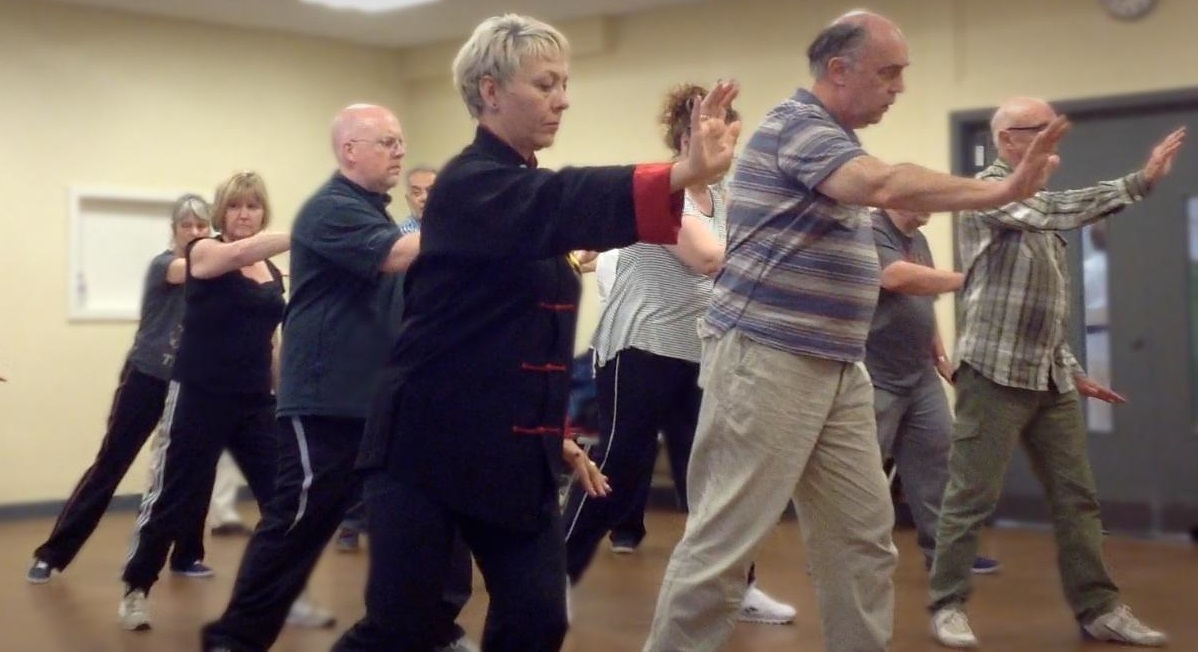
Tai Chi Exercise

What New Challenge Will You Take This Week? Picture credit The Tai Chi Club on Morguefile

I’ve recently been posting on LinkedIn and elsewhere about the feel-good benefits of taking action. Action can mean getting an enterprise of the ground, or encouraging others to make effective use of your time

If you follow the links you will see the context for those posts is making the most of yourself in the world of work. However, in the real world work and life co-exist. Making any kind of change in one part of your life opens up the possibility of a positive outcome in the other.

Starting an exciting new work project adds spice to your social life. Getting people to respect your time at work increases your confidence generally. Having a reserve of confidence to draw on helps you prepare, step forward and change.

How Do You Know That You Are Ready To Change?

Being mindful about your inner state and your readiness to change something significant in your life involves knowing what is in both your head and your heart. Procrastinating about change goals is understandable Taking action on a change goal involves accepting the discomfort you will experience.

Starting a social or commercial enterprise involves making connections; sharing your ideas; overcoming problems; being resilient. It is not a head-based issue. Your heart is involved too. The big question is: How does the idea of changing your situation make you feel? What small, but important, step can you take to increase your confidence levels?

What’s Confidence Got To Do With It?

Like I said you need a reserve of confidence to call on to help you picture your success. You won’t take the first step and plan – let alone undertake – effective action without it. Some people are too low on reserves of confidence to make the first step. Their life goals are low priority items. Their goals lie low on the list, behind the day to day pressures of an agenda topped by paying the bills.

If those pressures persist for long enough they can contribute to health problems. Those problems can escalate to an extent that they become mental health issues (according to the Mental Health Foundation 1 in 4 of us will have a problem like this in the course of the year)

Tackling Mental Health

Great then to see that Sport England is directing £2m ($3.2m or 2.5m Euros) into improving the lives of people with mental health problems.

Their project director (a former boss of mine) Mike Diaper says:

There is compelling evidence that participation in sport and physical activity has a positive influence on mental wellbeing and mental illness. This includes enhancing day-to-day moods, reducing the impact of stress and enhancing self-esteem”.

Obviously there is a long way between under-confidence and serious health conditions like anxiety. I’m just glad some work is being done on these debilitating issues.

How Do You Ensure You Are Taking Good Care of Your Health?

What’s your secret for remaining healthy under the pressure of your personal and working life? If you are preparing to make a major change in your life how do you build up your energy reserves?

  • Is it by ensuring you eat healthily and sleep well?
  • Do you make time for your weekly mind and body work out of Tai Chi?
  • Is your main priority relaxing with your family over the weekend?

Share Your Secrets To Getting Stuff Done

In the pressured world in which we live it is good to know how people maintain their day to day balance. If you are ok sharing your story please add a comment below. You can continue the conversation on Twitter @RogerD_Said too.

Goals 2014: How To Keep From Being A Victim Of A #BadBoss

Can You Spot The Bad Boss? Picture credit seemann at Morguefile

Can You Spot The Bad Boss? Picture credit seemann at Morguefile

Is your leadership making your colleagues sick? Probably not, if you are reading a web post about how to improve your performance. That means concepts like ‘authenticity’ and ‘values’ ring bells with you. Your goals are based in empathy. Your colleagues will be grateful for that.

Having an authentic set of core values means you communicate in a consistent way with your team and clients. You don’t fake it. Your actions show you treat others as you would be treated yourself. Maybe you can influence a Bad Boss you know to help raise productivity, by treating his / her colleagues better?

What Does It Feel Like To Have A Bad Boss?

Years back I experienced BBS (Bad Boss Syndrome) courtesy of a supervisor who used sarcasm, blame shifting and setting team members against one another as a management strategy.

Working for that colleague made Friday evenings a time to celebrate. It also made Sunday evenings a time for regret. I wasn’t the only team member whose job-satisfaction and productivity dropped. Morale wasn’t a metric that interested the Boss. Luckily I was able to move to another job when a reorganisation took place. Some people, sadly, get stuck in situations like this.

How Do You Keep From Being A Victim Of Bad Bosses?

Stay rested; Stay connected to your network; stay optimistic. A good night’s sleep helps maintain your energy levels. Your professional network helps you maintain perspective about your situation. Optimism reminds you that you are located in a situation caused by your Boss, not by you.

I just read about some workplace research in the Washington Post that describes the symptoms caused by the bad boss. I also found an item posted on LinkedIn outlining possible ways to manage the feelings caused by BBS. Good to know that if your boss could be making you sick there is light at the end of the tunnel, since you can learn How successful people handle toxic people . Both articles are worth a few minutes of your time.

Which Questions Help You Start To Combat BBS?

Here are 3 questions to ask yourself if the symptoms of BBS are starting to ring bells with you:

  • How do you wish to be treated by your supervisor in the workplace (if you are a supervisor how do colleagues rate your style)?
  • What is the effect on your productivity of the treatment you receive right now?
  • What action will you take this week to improve the treatment you receive and to become more productive?

Want To Share Your Story With Others?

I’d be very interested to know what actions people have taken, in the past, to improve their situation where their supervisor was harming their productivity. Feel free to share your stories in the comment section, or on Twitter @RogerD_Said

Goals 2014: How Will You Keep Developing Your #Leadership Skills Next Week?

What Connections Do Leaders And Managers Inspire?

What Connections Do Leaders And Managers Inspire?

Are you content to leave tackling your leadership goals until the New Year? Or are you ready to spend 5 minutes today planning your next step towards self-development?

What Happens When Leaders Build On Their Strengths?

If you are motivated to take action to achieve improvement here are some interesting trends from a US study of leaders’ self-improvement results:

  • Leaders can measure their performance gains, when they take action on the goal of developing their strengths.


  • More than 70% of those leaders who focused on building strengths felt they had improved their overall effectiveness


  • Nearly 60% of those strength builders feeling their improvement positively impacted their organisation

The article from which I’ve taken these data was written by Behavioural Statistician Joseph Folkman and is published online by Forbes magazine.

What More Could Leaders Do?

I think it would also be valuable to see how the people who directly report to those leaders view the ‘After’ picture. Also other stakeholders might have valuable views on what the leader’s post-improvement results look like. Do those groups feel more connected to their leadership figure after they have developed, compared to before the change occurred?

The biggest ask would involve leaders applying themselves consistently to the areas in which they are not strong. After all, it is relatively straightforward to take action to build on your strengths. Taking these actions involves going with the flow and doing the things that feel nice and rewarding.

How Challenging Is It To Go Against The Flow?

The real challenge – which involves working against the flow – means acting on goals which involve deep, authentic, growth work. These are the areas where resistance is strongest. These areas touch deep seated fears and are the ones where the knot in the gut usually gets in the way.

That hard work pays off, over time. There are real rewards in overcoming that resistance. Rewards for self, colleagues, and clients. There is a sweetness to those development gains too.

What Does A Mix Of Goals Look Like?

It is a challenge to go full on after hard to reach self-development gains. I remember one of my coaching clients felt much better tackling a mix of goals when she decided where she wanted to be in 12 months, then:

  • Focused on developing her empathic skills (to serve her colleagues and clients better meantimes)

and

  • Prioritised being more assertive (so that she could have a more effective working relationship with her supervisor during her personal development phase).

She was understandably pleased with the results she achieved, over time, by combining straightforward and hard to reach goals.

Which Strength Building and Challenge Goals Will You Act On?

Please use the Comment section here to share your stories of pursuing your goals. Let your colleagues and friends know that goal setting isn’t time consuming and that effective support makes the difference, whether you are in the US, UK, EU or further afield.  Your success will inspire plenty of people who need a nudge to get going.

(Tweet me @RogerD_Said and I will continue the conversation there too).

Goals 2014: 3 Ideas To Help You Stand Out In Your #JobSearch

It is that time of year.  Your goals set last January have been accomplished.  Your summer break is a fading memory and you are back into the familiar rhythm of the working week.  Hopefully you are ready to take decisive action, rather than staring out of the window at the leaves changing colour.

Your Top 3 Job Search Suggestions

If you are looking to change of your job role, or place of work you might find you need to polish up your CV / Resume and covering letter.  The information in the Tweeted link helps you do just that.

Basically the Guardian’s Job Goddess suggests that jobseekers should remember to:

  • Start their letter by talking about the fit between their experience, their skills and the role for which they are applying
  • Specify how much impact they have had in similar roles (How many customers did they have? How much revenue did they generate?)
  • Demonstrate their continuous learning strategy by mentioning what recent qualifications or experience they have gained.

Who Will You Share These Suggestions With?

If this isn’t the right time for you to be moving on who do you know who would benefit from this information?  How will you share it with them?  When are you going to do it?  I’m sure they will be grateful that you passed these ideas on.

Tweet your feedback to me @RogerD_Said or use the Comment section here.   I would love to know how these ideas help in practice.

Goals 2014: What Can You Do To Improve Your Sense Of #WellBeing ?

Robin Williams

How Are You Taking Care Of Your Own & Others’ Well-Being?

I first came across Robin Williams’ work on the 1970s US tv show Mork & Mindy.  I remember liking the cartoon energy in his performance.  He was larger than life, well my life in the UK anyway.  I was young though, so the subtle side of his work went over my head.  I grew to appreciate the breadth of his talent over the intervening years.

Robin Williams’ death, at 63 years of age, made me cry.  It was shocking.  Shocking in part because he was relatively young, much loved and hugely talented.  Shocking mostly because of the link to mental health.

What Is Your Well-Being Strategy?

You can never tell what mental health challenges someone might be facing.  According to the Mental Health Foundation  1 in 4 of us in the UK will have a problem this year.  These challenges cut across age, class, ethnicity, sexual orientation and other barriers.  Men in particular can end up stoically suffering in silence.  Men’s Health magazine offers a unisex slideshow on actions that result in feeling happier  What is your strategy?

Well-Being Goals For Leaders And Managers

The ordinary pressures of life can have a very hard impact on some people who are already feeling vulnerable.  The concepts of austerity and more-for-less are permanent features of the employment landscape now.  What impact do they have on your sense of well-being?

As the Men’s Health slideshow suggests being mindful of our own mental-health needs and taking action is important within the workplace and outside of it.

Leaders and managers also have an important role to play in contributing to healthier workplace outcomes.  They can create an authentic workplace culture which supports staff engagement; a sub-set of which is well-being.

As a large UK employer the Civil Service outlines their engagement strategy here for their 463,000 plus members of staff and millions of customers.

Staff in any sized organisation are more confident if they know that their bosses support their well-being as they are seen as people, not just workers.  There is a relationship between confidence, resilience and productivity.  Confident leaders make it possible for colleagues to have conversations about managing workplace pressures more effectively.  What are your leaders doing to facilitate those conversations?

How Do You Help Others Through Their Day?

Finally, I like the idea of positively influencing others.  One of my goals is to treat others as I wish to be treated myself.  Being thoughtful towards others feels good.  Plus, it might lighten the strain on anyone who is having a tough day.  How do you help the important people in your life manage the pressures in their life?

Here are 10 quotes courtesy of Mashable  related to Mr Williams.  I hope you find them inspiring.  Feel free to share this post, comment below and keep the discussion going @RogerD_Said

Rest in Peace Robin.

Goals 2014: 3 Questions To Inspire Your #PersonalDevelopment Actions

You Can Act Without Perfect Preparation

You Can Act Without Perfect Preparation

I’ve had this Arthur Ashe quote in my head since I heard it in the acceptance speech  the US football player Michael Sam gave recently, when receiving an award for courage.  The quote suggests you can take action right now, if you believe you can.

How can you use the relationship between confidence and action when achieving authenticity?

When is your right time to confidently take the action to experience your life more authentically?

I think authenticity, confidence / courage and action inter-relate.  This inter-relationship even came up when friends and I were speaking over Sunday lunch recently about pursuing professional or personal goals.

The view around the lunch table was that confident people take steps to move forward, so that there is more of a smooth flow to their professional and personal lives.   We recognised that at times in the past we hadn’t necessarily taken action for a number of reasons, including:

  • Competing pressures on our time
  • Needing to feel more confident or courageous before we could succeed
  • Surrendering to external resistance keeping us from changing

Do any of those factors ring bells with you?  The questions below may be helpful if so.  This is territory I started to explore in a post I wrote in June 2012.  There I was asking about the results you would get if you asked for what you wanted.

Bottom line.  You have to feel confident to ask for what you want.  In the same way you need confidence to know that you will succeed before you take meaningful action.  The outcome of your action – the reward for your courage – is greater authenticity.

3 Questions to inspire you to take personal development action

Here are the 3 questions you might want to work on and use as inspiration tomorrow, when you take action:

  • How much better will your life be in 12 months’ time if you start to take action to address your main personal improvement goal tomorrow?
  • How much easier will your actions seem if you have the on-going support of your spouse / boss / best friend?
  • What will you feel like in 12 months’ time if you have done nothing to tackle the goal you know in your heart is your number 1 priority?

Over to you

By all means have a conversation with family / colleagues / friends about the actions you will take to get what you want.  I’d love to hear what you have planned.  You can let me know how you get on via the Contact form, or you can find me on Twitter @RogerD_said

There are more ideas relating to your work and life goals in the Archive section here and on Facebook and Google+ too.  Or if you are a Linkedin user you can visit View Roger Dennison’s profile and learn more there.