Goals 2014: 3 Questions To Help You Get The Leadership And Management You Deserve

What Connections Do Leaders And Managers Inspire?

What Connections Do Leaders And Managers Inspire?

How confident are you about the effectiveness of your organisation’s senior leadership? What rating would you attach to your manager’s skills?

I ask as an article by Liz Ryan for Forbes online concerning Bad Managers has triggered my post (there are other Liz Ryan articles on LinkedIn ).

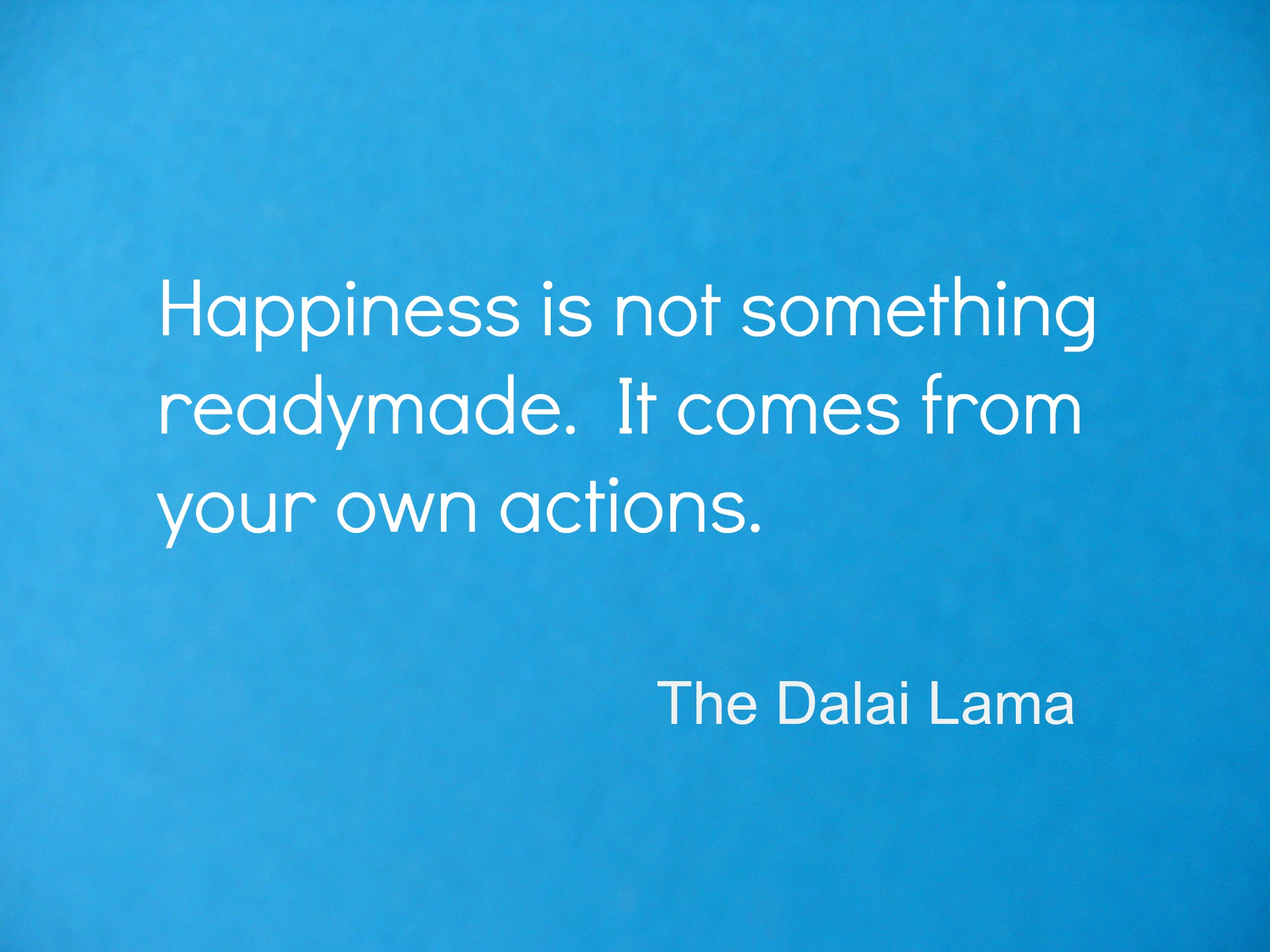
I had the privilege last week of sitting in on an Enterprise Nation Webinar, at which serial entrepreneur Doug Richard talked about the goal of Improving Leadership and Management.  My favourite quote from that conversation is shown above.  The post Liz wrote reminds me that Bad Managers leave a trail of angry and demotivated employees in their wake.  The Bad Manager helps create disengagement and they are a liability to their team and their employer.

One of the least inspiring managers I ever worked for had two operating modes. One with senior colleagues, involved smiling and kissing up. Mode Two, with team members, involved micro managing and being divisive. I remember once mentioning some of the valuable lessons I’d learned from my degree course and the Manager’s response was a classic: “Oh, you have a degree. That does surprise me!”

Needless to say I was never happier than when I left that part of the organisation.  I wasn’t the only one.  Effective management binds teams together and adds value to the connections between team members.  Bad management sows the seeds of disruption.  The manager I encountered clearly needed support to improve their practice. I only hope that they received it, before their behaviour triggered a complaint.

Here are 3 questions for your consideration this week:

  • How content are you that your job goals are being supported by your current management?
  • How congruent are your values with those of the organisational leaders who have the most influence on your work?
  • What actions will you to take this week because of your answers to the 2 preceding questions?

Feel free to look at the further ideas relating to your work and life goals in the Archive section here, on Facebook and Google+ too.  Or you can always View Roger Dennison’s profile


Goals 2014: How Will You Connect And Contribute To Your Network This Week?

Do you have a goal to connect effectively to the people in your organisation, sector, or wider community? What sort of contribution do you want to make to the people in your networks anyway?

Dunbar’s Number

Did you know research by networking advocates Editorial Intelligence suggests that you can only hold stable relationships with 150 people (a figure known as Dunbar’s number)?  If communication is part of your goal setting agenda you are under no pressure to make your connections count!

Contacts You Connect With & Contribute To

How Many Contacts Do You Connect With & Contribute To?

Engaging People

Seriously though, these are timely questions. Organisations are setting their goals for the new financial year. Their staff are creating their strategies for personal improvement.

The UK Civil Service even has Engaging People as one of its key values (although it still has some work to do, to improve the feedback process on the blog published by its Head Sir Bob Kerslake ).

Organisational psychologist Professor Cary L Cooper outlines in a blogpost for the Chartered Institute for Personnel and Development that our networks not only help us to thrive, they help us to cope. He says networking is a key determinant of success.

John P Morgan is another advocate of inter-connectedness and service. You can find out more about his view here on youtube : his perspective is applicable in the UK, US, the UAE or anywhere else people act collaboratively.

Your Actions

So, now you have a different perspective of the role of contributing to others here’s a question for you to answer (making an appointment with yourself to see it through):

What one action are you going to take, this week, to make an authentic contribution to your network?

There are further ideas relating to your work and life goals in the Archive section, and on Facebook and Google+ too.

View Roger Dennison's LinkedIn profileView Roger Dennison’s profile

Goals 2014: Want To Know How Volunteering Helps You Improve Your Morale?

Would you say your communication skills were above average?  Do your emails have clarity and purpose?  How about your clients, do they always engage with your messages, taking the necessary action as a result?

If you answered ‘Yes’ research suggests you probably accomplish a lot in your work, by getting your message across effectively.  I believe you will also gain if you spend some time as a volunteer, using those skills to benefit your community.

By offering your existing skills to a project you inevitably highlight your learning needs; this can lead you to acquire new abilities, gain confidence and benefit others in the process.  Your morale increases when your skills are being put to good use (OECD data suggests in the UK people spend 2 minutes daily in volunteer activity, compared to 6 minutes in Australia and 8 minutes in the US.  That’s just a snapshot of the positive energy being generated globally through volunteer effort).

Using Skills Well Benefits You & Your Community

Using Skills Well Benefits You & Your Community

In the short term by volunteering you will be affecting and improving the lives of a range of clients, prompting them to take action and make a difference in their own, plus others’ lives.  From my experience in England Community First (#commfirst on Twitter) projects and panels benefit from volunteers, like you, who can communicate effectively.

There are plenty of other voluntary projects you could offer your communication (or other) skills to, depending on your location.  Your local voluntary action co-ordinating organisation should be able to signpost you to a list of outfits in need.

So, when will you take the first step to put your skills to use for others’ benefit?  Doing this helps you find renewed purpose and confidence, which can feed back into your work and make you a more valuable member of staff.

Want to find out more about goals you can explore, relating to your work and life?  Then visit the Archive section here, or take a look on Facebook and Google+ too.

Goals 2014: 3 Questions To Help You Advertise A Vacancy Or Select Your Next Job

Is searching for a new job on your Spring To Do list?  Perhaps you are a recruiter whose goal is to fill your post with the ideal recruit.  Neither goal is easy, is it?

Cufflinks For Work

What Are The Essentials For Your Job?

As an applicant you have your check list of what you want (which might include a role that is a good match to your skills; the right salary; a workplace culture you like; a happy work -life balance).

Meanwhile the advertisers are picturing their ideal candidate, someone with the Essential Qualities for the vacancy. They might have in mind someone: aggressive about getting results; assertive without being cocky; independent yet a team player, where necessary.

Here’s the thing. The language used in adverts themselves may be off putting to some potential applicants.  Why?  Time magazine’s online edition shared some German research this week, suggesting that women do not apply for male sounding jobs.

Some terms, like ‘aggressive… assertive… independent’ could be sending unattractive signals out about the vacancy.  They could also be saying something unintended about the organisational culture too.  As the global economy starts to recover from the shock of 2008 there is strong competition to secure the right talent.  Getting it right promotes business growth.  Letting applicants know you are a good organisation to work for is a quick win.

Unappealing language is easily fixed, if advertisers take a few minutes to think about the most appealing / inclusive wording they could use, before signing off their recruitment text and posting their vacancies.  That simple adjustment might broaden their reach and result in a better hiring decision at the end of the recruitment process.

As you are thinking about the psychology of changing your job here are 3 questions for you to respond to.  They are ideal whether you are seeking a job, or advertising one:

  • What language in the advertisement attracts your interest / best represents your vacancy?
  • How many of the Essentials Qualities do you have to offer / do you really want candidates to have?
  • How will this job help you achieve your personal goals once you get it / how will filling this vacancy help your organisation’s goals?

Good luck taking action which moves closer to your recruitment goal.  Feel free to nose around the Archives here and look at ideas I refer to relating to your work and life goals on Facebook and Google+ too

Goals 2014: Here’s 1 Action To Help You Improve Your Personal Presentation

Here are some questions for you to reflect on over the weekend.  How much effort do you put into the visual side of your personal brand?  Could your choice of work wear represent who you are more effectively?  What action will you take to improve your personal presentation this Spring?

What Does Leadership Look Like?

What Does Leadership Look Like?

Not too sure how to answer? No worries.  Here is a short video you can watch now as part of your personal improvement goal.  It was filmed at Ad Week Europe and in 4 minutes Gok Wan, Kathleen Saxton, and the Guardian’s John Plunkett outline some useful key presentation concepts.  Could this be another theme for you and your coach to explore when you discuss your goals and your values?

Feel free to look at the further ideas relating to your work and life goals in the Archive section on Facebook and Google+ too

Goals 2014: What Are 5 Advantages You Gain By Volunteering?

Feel Good Volunteering

Feel Good Volunteering

What’s your immediate response to the concept of ‘volunteering’ some of your time?

“I can’t see the point. Besides I don’t have the right skills.”

“Not one of my goals, I’m afraid. I’m too busy in the real world.”

“I plan on doing some volunteering when I retire.”

Although I have heard similar sentiments before I think they might be keeping people from doing themselves and their workplaces a big favour.  For instance thousands of Community First Panel Members and Project People are currently benefiting their neighbourhoods, and themselves, by their efforts.

What’s In It For You?

So, building a volunteering goal into your personal development plan for 2014 adds value to your life, as well as the world around you. Here are 5 advantages that you and your day job gain when you take volunteer action:

5. You get to influence the development of your community and watch it change as a result of your work. Community might mean the workplace around you, the neighbourhood in which you live, or the wider networks to which you contribute.

4. Your leadership is instrumental in making change happen. When you volunteer you are doing more than your day to day activity. Contributing to an exceptional project means you are making an appreciable difference to others’ lives.

3. By working effectively with others your portfolio of skills grows.  You pick up aspects of what others can do. Meanwhile they are learning from you.

2. Your volunteer status distinguishes you as an activist, someone who sees things as they might be rather than just as they are.

1. Volunteering connects you to the widest network of active, helpful people. Who knows when those connections will be useful to you.

What’s Your Next Step?

Those are just some of the positives that come your way by stepping forward to volunteer. Over to you now: what project will you devote some time to this Spring?  Feel free to visit the Archives for some inspiration.

Background

As a footnote, according to recent data on Community from the Office for Economic Co-operation and Development (OECD) on average, people in United Kingdom spend 2 minutes per day in volunteering activities, lower than the OECD average of 4 minutes per day.

By contrast on average, people in United States spend 8 minutes per day in volunteering activities, one of the highest in the OECD where the average is 4 minutes per day. high scores suggest there is a strong sense of community in the United States.


Goals 2014: When your manager says your work must improve which 3 steps should you take?

Is Your Performance Going Up Or Down This Year? (Image under creative common licence from Morguefile.com)

Is Your Performance Going Up Or Down This Year? (Image under creative common licence from Morguefile.com)

This year, like every year, thousands of civil servants made the Government’s presentation of the Budget seem effortless.  Behind the scenes collaborations, across the various departments, over many weeks came together smoothly yesterday.  Meaning that as the Chancellor sat down, a comprehensive suite of Budget publications appeared online .

How will some of those civil servants feel, should they now learn that they ‘must improve’ their performance to meet their work objectives?  It is a knock to one’s self-confidence to be judged in that way by a line manager.  More so if that outcome bucks the trend of years of evidence-based good performance.

Guidance on ranking staff for appraisal purposes

This year a ‘must improve’ judgement will flow from the strict application of guidance in the new Civil Service Appraisal system.  The system is one part of Civil Service Reform (whose goal is delivering better services for less money).

The guidance – available to managers across different Departments, Directorates and teams – is to use the sector-wide appraisal system to determine who has had a successful year.  The system seems to mean that appraisal markings can be distributed along a curve.  On that curve approximately:

  • 20 % of staff in a grade will have exceeded their objectives
  • 70 % will have achieved expected outcomes
  • 10% must improve

One appraisal system but two perspectives on how it works

The dialogue around performance management is led by the Head of the Civil Service, Sir Bob Kerslake.  He has blogged about the new performance management system, which he believes, reflects consistency across the organisation and looks at what civil servants achieve and how they achieve it.

Many Senior Civil Service (SCS) staff and their junior colleagues have replied to the blog (although it seems the distribution curve does not to apply to members of the SCS).  In unusually frank replies staff express their views about the system’s apparent use of quotas and its effect on morale.  They also note that HMRC staff downed tools over this issue in February.  So seemingly there is one appraisal system, but two perspectives on how it works.

It is also worth noting there may be an impact on workplace equality, since the sector employs more women than men below SCS level.  Black and minority ethnic staff, and disabled staff, are also concentrated in the grades where must improve ratings will appear.

3 steps to take when your manager says your work must improve

Are you someone whose performance ‘must improve’ this year?  How about rising to that challenge?  Once that sinking feeling in the pit of your stomach subsides, you should focus on moving forward.  Here are 3 actions to help you to move forward beyond your appraisal:

  • Review the evidence of your previous successful, or above successful, reports (to highlight your favourable customer feedback, transferable strengths and as a reminder your present rating may be quite subjective)
  • Record the specifics of your strategy to take an immediate, positive, next step to achieve a short-term win (something constructive you know you can do well, within your present role, or one that allows you to reassert your ability to achieve good quality results)
  • Recruit a skilled ally, ideally a coach who: understands the significance of your work-life goals; recognises the importance of your values; will remain supportive as your performance returns to its former state.

Civil Servant or not, how will you improve the quality of your work this year?  Why not dip into the Archives, to the right of this post, to get some inspiration as you move forward.

Goals 2014: 2 Action Points To Add Value To Your Professional Social Media Strategy

How LinkedIn Are You?

How LinkedIn Are You?

How often do you update your LinkedIn profile, compared to your professional Blog, Facebook, or Twitter content?  Go on, be honest.  Here’s another question: What goals are you addressing by using social media for professional purposes?

Don’t worry, you are not alone if you said you: refreshed your LinkedIn presence much less frequently than your other profiles; have no specific outcome related to your social media posts.  With the sea of media out there to dip into focusing on creating content can be difficult.

Recent coverage of professionals use of social media

This week two writers, Paul Boag* and Ross McGuiness** have separately pointed out that LinkedIn can be a real asset to advancing your work life goals, if you use the platform strategically.

Writing as part of the In Focus section within the Metro  Ross’s article highlights the value of building up an organic network of connections, via LinkedIn.  Connecting with people outside your immediate circle, can mean you get to offer your talents to an ever widening pool of curious people, who are already interested in your skill set.  Those connections can be in another city, country or continent.  You get attention in Denver, Delhi or Darlington if you want it.

The blog post Paul wrote reminded me of the advantages in keeping profile content fresh.  Your connections and other visitors like to dip into fresh material.  Your well-presented comments about your latest project, or newly acquired skills are valuable.  So are your contributions to discussion threads.

What actions can you take to sharpen your social media use?

I think there are two actions for you to add to your schedule this year (or focus on if they haven’t had too much of your attention before now).  These actions will help you if your goal involves consolidating your professional reputation on LinkedIn, or other social media platforms in 2014.

  • Update your content on a regular basis, to reflect your recent achievements, your newly acquired skills, or freshly gained qualifications.
  • Connect where possible to others with shared professional interests.  If that is not an option contribute regularly to online discussions about current key topics affecting your work area.  Perhaps you could even start a new conversation, based on your knowledge of upcoming trends?

Good luck with sharpening up your goal and turning your LinkedIn presence to your professional advantage.

Do check out the Archive section for more thoughts on work and life issues and feel free to look at the further ideas relating to your work and life goals on Facebook and Google+ too


*Paul is @boagworld on Twitter

** Ross tweets as @McGuinessRoss

Goals 2014: 3 Key Questions To Ask Yourself Before Jobhunting

Banana Skin

Focus On Your Goals & Avoid Life’s Banana Skins

As The British Chambers of Commerce forecasts  that the economy will be back to its pre Recession peak over the summer it is a good time to ask, how is your goal focused plan for 2014 going?

Are you still action planning to change jobs this year?  Maybe you are unexpectedly between jobs at the moment, and wanting to make the right move into a secure job niche?  If so you are in luck, as this post contains 3 key questions to get you moving in the right direction.

  • What job sector do you want to work in and what kind of employer do you want to work for?
  • Which jobs will you excel at, given your skills and values?
  • What other work will you take if you can’t get what you want?

The answers to those straight forward questions will unlock a wealth of insight for you.  Tuning into your inner wisdom means knowing what is best for you.  That knowledge provides you with a starting point from which to actively look for your ideal next role.  It also establishes the outline of a Plan B in case the ideal isn’t available just yet.

So, when are you going to take the action that moves you one step closer to the job you want?  What support, including coaching input, will you draw on as you move forward?

Good luck and don’t forget there are further ideas relating to your work and life goals on Facebook and Google+ too

Goals 2014: One Step You Can Take To Be A More Confident & Resilient Carer

Are you feeling the strain of being a carer for an elderly parent or relative?  If the answer is “Yes” and you are in the UK then chances are you are a woman, rather than a man.  The current caring statistics and facts from Carers UK indicate that of the 3 million people in the country caring for relatives, 58% are women.

What does caring save?

Carers save the economy £119 billion per year (an average of £18,473 per carer).  However, 1 in 5 of those people who act as carers, whilst also working, are forced to give up work altogether.  The reason for this: the significant demands of combining caring and work.

What does caring cost you, the carer?

Caring obviously takes its toll on the woman, or man, making the effort to support their relative.  It can be emotionally demanding to support an elderly parent.  The carer’s well-being can take a knock.  It can also place a strain on the network of other important relationships in your life.  The emotional journey can affect your confidence too.

What questions could you ask yourself to establish how you feel about being a carer?

What is your goal regarding combining caring responsibilities with your working life? Where does your support come from while you are bearing the stress of supporting someone else?  What is the impact on your wider life and relationships of being a carer?

How do the key issues impact other people’s lives?

This question was aired in a moving edition of BBC radio 4’s Woman’s Hour today.  There are seemingly as many answers as there are carers.  For some carers unresolved family conflicts can be exposed by one person shouldering the responsibility of looking after a parent.  For others caring is an act of love, reflecting life long closeness and affection.

If you are UK Based you can find the recent editions of Woman’s Hour on iPlayer by searching for Radio 4 programming here  You can follow the programme on Twitter @BBCWomansHour

The Woman’s Hour discussion reminded me of a tweet  late last year, concerning how to manage challenging family relationships.  Do follow the link to read into the topic.

What action will you take this week to improve your confidence & resilience as a carer?

Developing an ever more secure adult identity helps: you are entitled to seek help and effective support.

How would you feel about making one inspired change, following International Women’s Day, this Saturday?  Could you share more information about the impact of your caring duties with your employer, partner, and friends?  How much better could your situation become if these important people truly understood what you were experiencing and provide you with more effective support this year?

Good luck to you as you take action to help improve your capacity to care for others and yourself.

Feel free to check out my Archive section for more thoughts on well-being and pursuing life goals.  There are further ideas relating to these areas on Facebook and Google+ too