Goals 2014: What #Changes Will You Deal With Tomorrow?

What Does Change Mean To You?

What Does Change Mean To You?

What is your work goal tomorrow?  Is it to stay the same and hope that doing so produces adequate results (assuming your performance exceeds or meets organisational expectations)?  Or are you authentically open to change (especially if you know you must improve to meet those expectations)?

Whether you are a leader, follower, manager, or employee what would it feel like to move towards something different and better in the week ahead?

What Lessons Can You Take From The UK Civil Service?

Large organisations, like the UK Civil Service are undertaking change processes, so that its 420,000 plus employees can produce more results with less resources (click on the link to find out more about their leaderships vision; communication; change delivery; and staff engagement).  If yours is a smaller organisation, what lessons could you take from the civil service example?

How Immune To Change Are You?

Individuals, just like organisations have different responses to change.  Even the mention of change can cause some people to become resistant.  Their immunity to change (ITC) depends on the big assumptions they hold.  Will colleagues still like me if I change?  What will I feel like if I become a more authentic version of myself?

I’m really excited to have learned a lot about the world of change by completing recently a MOOC (massive open online course) on ITC, courtesy of Harvard University.  You can listen here to a 15 minute podcast with Robert Kegan who led the course with Lisa Lahey and sample some of the course materials if you register to do so.

Will You Rise To The Change Challenge?

When you set goals for yourself at the start of the year you will have known circumstances might crop up that pushed you off course.  As you undertake your mid -year review, what areas do you need to adjust to stay on track?

Perhaps your circumstances have changed so much since January that major adjustments are necessary: in January no one would have foreseen that retail challenges would affect managers at Morrisons for instance; or that in the banking sector, Barclay’s job losses would be followed by those at Natwest

So, whether you are in the UK, US, EU or the world beyond what will you do tomorrow to meet the small or large challenges flagged up by the word ‘change’?

What Else Will You Do To Embrace Change?

Feel free to have a conversation about this topic with your colleagues.  I’m always interested to know what you think.  You can find me on Twitter @RogerD_said

There are more ideas relating to your work and life goals in the Archive section here and on Facebook and Google+ too.  Or if you are a Linkedin user you can visit View Roger Dennison’s profile

Goals 2014: Who Do You Thank When You Are Being #Mindful?

Saying Thank You

Mindfulness And The Value Of Saying Thank You

It is a busy world and you are bombarded by emails, texts, meeting requests and dozens of people claiming your time. It can be hard to make time to stop and think about the people who make your day a bit easier.  In fact when someone goes out of their way to make your goals easier to accomplish, their efforts can slip by unrecognised.

However, being mindful* and celebrating that assistance can trigger leadership action on your part, which helps to establish a virtuous cycle: good team work leads to positive client feedback; your leadership is shown to reflect an authentic understanding of what good work by colleagues looks like; your clients keep getting more examples of that good work.

(*Mark Williams and Danny Penman’s practical guide to ‘Mindfulness’, published in 2011, might be one for you to look at, if you want to learn more).

What Are Your Options For Showing Your Appreciation?

If you do recognise others’ contribution to your success there are so many options available to you, to show your appreciation, that choosing the right one can be a challenge.

  • In the world beyond work I’m sure that a Father’s Day gift, or call, would go down well today.
  • If you know someone who has made a contribution to civil society in the UK you can recommend them for an award in the Queen’s Birthday, or New Year’s Honours List.
  • Simply remembering someone’s birthday or anniversary can make their day too. So can an unexpected card showing your appreciation for something they did (like the one in the illustration above, which I just got from a client. It definitely put a smile on my face).

Here Are Some Questions For Your Consideration

If making time for reflection, and being more mindful, is one of your health goals here are some questions you might want to consider:

  • How often in your busy schedule do you pause, and think of ways to show your appreciation of others’ efforts?
  • How far do you go beyond saying ‘thank you’ when you do so?
  • How will you show your appreciation for outstanding service to a colleague, friend or family member in the next 7 days?

Good luck with the week ahead of you. Let me know how you get on (and do respond today or tomorrow to my recent post on equality and diversity).

Feel free to look at the further ideas relating to your work and life goals in the Archive section here, on Facebook and Google+ too.  Or if you are a Linkedin user you can visit View Roger Dennison’s profile

Goals 2014: Are You Making The Progress You Want To On Your #GoalsInLife?

How Are You Feeling About Your 2014 Goals?

How Are You Feeling About Your 2014 Goals?

Your anticipation has been building for months.  Your heart beat a little faster as each week zipped by.  Now, finally, it is time for you to focus on goals (your own personal goals that is).

How Practical Did Your Goals Seem In January?

Obviously your team will measure how successful it is being during the FIFA World Cup.  Isn’t this a good time to measure your own success?

Perhaps back in early January everything looked straight forward.  You had 12 months in which to make progress on your goals relating to your: authentic leadership skills; management style; career path; work-life balance; health priorities.  Everything seemed possible.  Maybe you agreed specific goals with yourself, to make 2014 the year you:

  • pursued your next career milestone to get you into a more fulfilling job this autumn
  • created the ideal balance between your work and life, in line with your core values
  • actively competed at a sport to raise your confidence and energy levels

Well, here you are at the half way line.  Are you ready to kick off a discussion about your progress?

What Is The One Key Question You Can Ask Yourself About Your Progress?

There is probably only one key question to ask yourself, about the actions you have taken to further your aspirations to change.  Take a moment and answer honestly:

  • How happy are you with the outcomes of your actions and your rate of progress toward your goals?

What Is Your Next Action?

Hopefully you can say you are happy with your progress across the range of goals you selected six months ago.  In that case keep doing what you are doing, since it is obviously working for you.

What if you need coaching support to refocus your strategy for taking action to tackle your goals?  Then use the Contact form above, or connect with me on Twitter @RogerD_said

If you need to try a fresh approach I look forward to hearing from you.  Don’t forget, you should feel free to look at the other ideas relating to your work and life goals in the Archive section here, on Facebook and Google+ too.  Or if you are a Linkedin user you can visit View Roger Dennison’s profile too.

Goals 2014: What’s The Secret To Inspiring Passion In Others Who Encounter Your Brand?

What Feeling Do You Inspire?

What Feeling Do You Inspire?

How does your brand’s story connect to your customer’s needs? How are you communicating your values to others?  How do they feel after experiencing your service?

Digital Social Media Strategist Amanda Hill got me thinking about both of those questions after her presentation at the Business Show, earlier this month.  There is more information on Twitter about #TBS2014 and Amanda @Amanda_Hill .

Why Do You Do what You Do?

What was my key take away from Amanda’s presentation?  Establish what it is about your brand that makes you feel the most passionate, and communicate that aspect to your audience.  Come to think of it, that quote reminds me of Simon Sinek’s observation that: “People don’t buy what you do.  They buy why you do it”.  In other words allow your passion to inspire passion in others.

How do You Establish The Authenticity Of Your Brand?

For instance, you have some thinking to do if your goal is to emulate the late, celebrated, US writer Maya Angelou and connect in a profound way to a largely female audience.   You can read a Maya Angelou obituary here

Whoever is in your ideal audience, how will you establish your passion and authenticity with them through your  choice of words, or visuals?  Will they have a deep and empathic response to you as a result of your connection strategy?  Will they trust you enough to follow your heartfelt leadership on creative, family, or professional matters?

How Will You Communicate With Even More Passion Next Week?

Whatever the gender balance in your potential audience, whether they are in the US, UK, EU or further afield, here are some questions to answer before you return to work next week:

  • What simple and effective step will you take to share even more of your authentic and heartfelt passion for your work?
  • Once you have taken that step, what will you do next to cement your reputation?
  • How will you know your approach is paying off?

I’d be interested to learn how you get on with these developmental actions.  Why not tweet me about your progress @RogerD_said

Please do take a minute to look at the other ideas relating to your work and life goals in the Archive section here, on Facebook and Google+ too.  Or if you are a Linkedin user you can visit View Roger Dennison’s profile

Goals 2014: How Are You Managing Your Risk Of Failure?

Do You Feel Failure Is A Badge Of Honour?

Do You Feel Failure Is A Badge Of Honour?

Despite your risk management strategy have you ever failed when leading a new project / stepping into a job role / taking on a leadership challenge? You might recognise the warning signs pointing to ‘Failure Ahead’: a cycle of sleepless nights; mounting frustration and anxiety during the day and ultimately, the admission of defeat.

Are There Positive Lessons From Failure?

If you answered ‘Yes’ to the opening question here’s another one to consider. What did you learn from your experience of missing your goal?

Having looked at Success in a recent post it makes sense to consider Failure now. There is even an upside when comparing your failed outcome, to the success you planned for. You have the chance to try a different approach next time. I learned just such a positive lesson from a failure in my past. In a nutshell, pay attention to your gut instincts when they are telling you ‘nope, this really isn’t working out’.

The reality of failure could lead you to take a different approach next time, by:

  • exercising more diligence before pursuing a new opportunity
  • establishing a more realistic set of milestones in the planning phase
  • connecting to more people to create an effective support system for yourself.

What Are The Real World Benefits Of Failure?

These broad themes – diligence, planning and support – are ones entrepreneur Faisal Butt explored in his recent presentation about the benefits of ‘Failure’ at The Business Show 2014. The gist of his argument also features in this Management Today Opinion piece. The article is definitely worth a read if success in business, or leadership, are your priorities. You can also follow tweets on the with the hashtag #TBS2014 and see more about Faisal on Twitter @FaisalButt_

What Does Research Say About Failure Leading To Success?

Interestingly Barclays’ research (regarding high net worth individuals) suggests that 51% of those sampled agree past failure in entrepreneurial endeavours increases the chance that a new business will succeed. So that may mean leaders are, on balance, more optimistic than not in the face of failure. Optimism seems to be a key component in perseverance, whether in business or other parts of life.

What Are You Doing To Manage Your Risk Of Failure?

Here are some questions you may want to consider, with coaching support:

  • How does your leadership strategy prompt your actions which limit the risk of failure?
  • What steps do you take to maintain and strengthen your stock of optimism?
  • How could your support system / professional connections help you achieve better results?

Feel free to have a conversation about this topic with your colleagues.  I’d be interested to know what you and your team think.  You can find me on Twitter @RogerD_said

There are more ideas relating to your work and life goals in the Archive section here and on Facebook and Google+ too.  Or if you are a Linkedin user you can visit View Roger Dennison’s profile

Goals 2014: What’s Your Formula For Leadership Success?


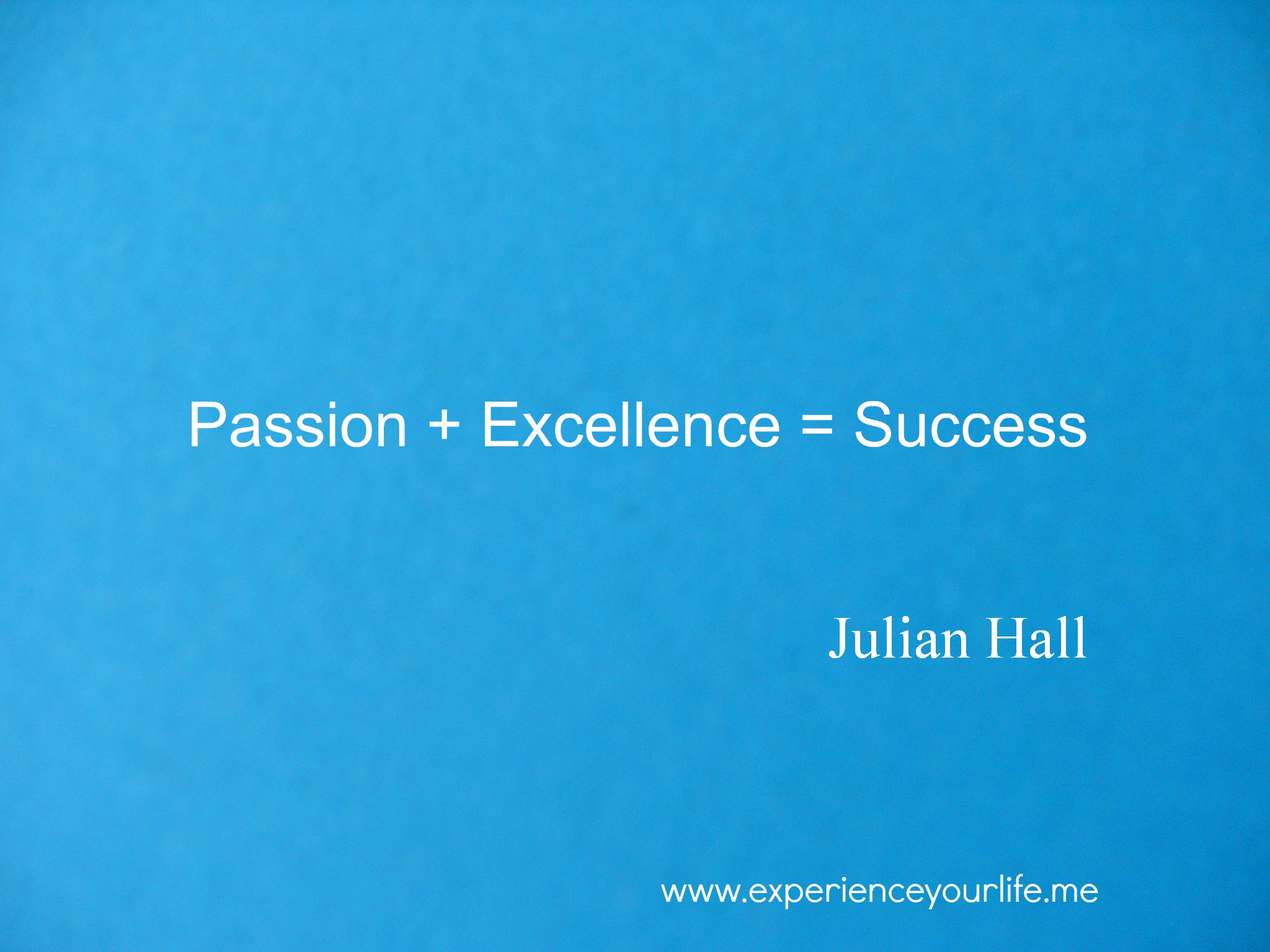
A Definition of Success Courtesy of Julian Hall

A Definition of Success Courtesy of Julian Hall

How is your week working out?  Hopefully you have successfully dealt with your Urgent and your Important tasks and you can turn your attention to some strategic planning.

As you think about your strategic leadership goals, what would you consider is your formula for success?  How helpful do you find Julian Hall’s equation shown above?  Have you got a unique approach to leadership which keeps producing results for your team?

Julian was just one of several great speakers I saw at the Business Show last week (he’s on Twitter @theultrapreneur and online here  Tweets from the Show are hashtagged as #TBS2014 ).

If you went to the Show I’d love to know what was your key take away from the various Speakers you listened to?  Which of the connections you made was the most significant and why?

Feel free to look at the further ideas relating to your leadership, work and life goals in the Archive section here, on Facebook and Google+ too.  Or if you are a Linkedin user you can visit View Roger Dennison’s profile


Goals 2014: What Leadership Lessons Will You Take From #TBS2014 ?

The Business Show 2014 Guide - watch out for the #TBS2014 trending on Twitter

The Business Show 2014 Guide – watch out for the #TBS2014 trending on Twitter

Hopefully what I wrote about the Business Show 2013 – on 30 November and 3 December last year – inspired you to go online, to see what you could learn from the coverage of that event.

I’m refining my strategy for The Business Show 2014 , which starts tomorrow.  Why not take a few minutes to look at the site and see what’s on offer (The Twitter hashtag #TBS2014 will be in heavy use over the next few days. too).

This time around I have highlighted the Business Show presenters I want to listen to, as they deliver a service to others by sharing their stories.  I’m sure they will generate plenty of questions from their audience, and there are a few questions I would like to ask them too.

As the roster of Keynote speakers includes Brad Burton, Karen Darby, Kate Hardcastle and Will King I will have plenty of chances to:

  • Capture leadership insight from people whose authenticity inspires followers to change their lives
  • Connect with attendees whose goals include improving their leadership practice
  • Share my key learning with you by blogging and by posting more widely across social media

Watch this blog space to see what you can take away from the Business Show 2014 and keep an eye on Facebook and Google+ as well.  Or if you are a Linkedin user you can visit View Roger Dennison’s profile

Goals 2014: Want To Help Yourself Live More Authentically?

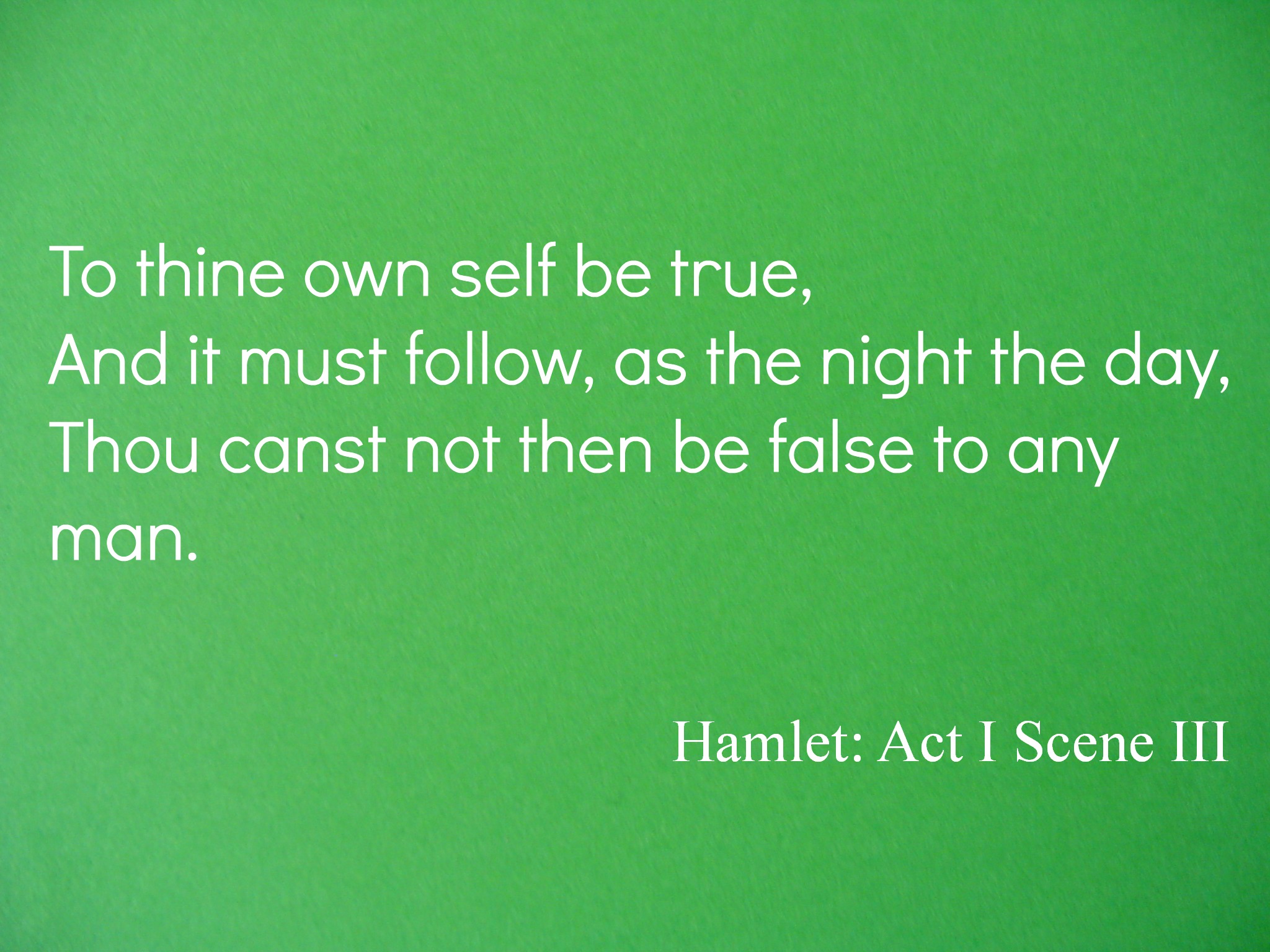
Timeless Advice About Authenticity

Timeless Advice About Authenticity

How is 2014 shaping up for you?  Are you conscious of working against the easy flow some people seem to enjoy, in which they embrace their values and their authentic sense of self?  If you find yourself out of step with the life you should be living there is action you can take: action which can help restore your flow and develop greater authenticity in work and life.

How do you identify the type of authenticity Goal to focus on?

You might want to focus on several key areas at first, but need to do a little work to identify which ones are causing you to feel inauthentic.  Why not test your levels of authentic happiness here courtesy of Dr Martin Seligman at the University of Pennsylvania (free registration necessary).  This exercise will help you pin point which of the 24 key areas you can usefully focus on.

OK you’ve got your focus, now what do you do?

You could try Continuing Professional Development, which has the potential to start moving you in the right direction.

In the UK alone it is estimated, by the CPD Certification Service  that more than 4 million professionals working in all sections of UK society are members of one of the numerous professional bodies, undertaking a minimum of 30 – 40 hours of CPD each year.  How much could you gain in confidence and skills by pursuing a goal in your key area through some CPD?

What are your options if you are not a professional?

Perhaps you feel you don’t qualify as a professional and there are no formal CPD options you can pursue.  How would you feel about exploring your lifelong learning options instead?

In 1997 the Canadian Commission on behalf of UNESCO  created the Learning Together template of resources, still in use today, as it identifies learning under 4 pillars: To Know – To Do – To Be – To Live Together.  The Pillars are a great place to start your exploration of what it means to be a more fulfilled version of yourself.

3 Questions To Consider

  • Whether you decide to grow by means of CPD or the 4 Pillars, which part of your life will you prioritise to improve your well-being?
  • When will you take action to start to change your situation and live more authentically?
  • How will you measure your success?

By all means take a look at the further ideas relating to your work and life goals in the Archive section here, on Facebook and Google+ too.  Or if you are a Linkedin user you can View Roger Dennison’s profile and connect with me there.

Goals 2014: 5 Questions For People Using Social Media To Connect With Others

Social Media Activity

Just Some Of The Ways To Be Active On Social Media

How many different channels do you use to pursue your social media goals and present your brand online to the world?  As I researched this post I realised just how many social media channels there are, and how little time there would be to make the best use of all of them.  That’s why I’m referring to just a handful of platforms.

US versus UK Social Media Statistics

US data from 2013 undertaken by the Pew Research Centre (a non-partisan ‘fact tank’) is relevant here.  They have broken down online activity to identify who is using social networking (73% of US adults are apparently) and where they spend time: Would you say your strategy is to form links with 16% on Google +, or the 22% of adults on Linkedin (which celebrates its 11th birthday on 5 May)?  Connect with the 18% of adults using Twitter?  Or do you relate more with the 71% of all adults using Facebook?

According to Ofcom in the UK 55% of adults owning mobile web enabled devices use them to visit social networking sites, or networking apps.  That’s a hefty segment of users who you could be reaching.  Assuming you can find the right channel to engage with the demographic you have

Google+ How Is It For You?

It is a timely question as JP Mangalindan, writing online for CNN Fortune and Money, has speculated about the platform’s future in a recent tech article   How productive a space is Google+ for you?

Site Statistics

We’ve all visited sites where the most recent post was six months ago.  Perhaps the site’s owner looked at their site statistics, felt it wasn’t getting enough traffic and abandoned it for that reason.  I wonder what signal that sends to visitors and to corporations like Google who created the site?

5 Questions For People Using Social Media To Connect With Others

So there is high take up with social media in general, although some platforms are more popular than others.  All of this  prompts me to ask the following:

  • What story do your posts tell about your brand (well established leader in your sector, or attention worthy new entrant)?
  • What timing strategy do you follow when you post to your social media sites (Weekly, or less often? Midweek, or weekend?)
  • How many new visitors are you adding by posting?
  • What do your visitors gain by looking at your site (insight from material you create; engagement with other peoples’ posts which you curate and repost; more information about your work)?
  • When visiting your site on mobile devices do people miss out on some of the desktop content (or could they browse and even buy in both places)?

Your answers to those questions can help you assess the return on the time you invest, in creating and curating social media posts.

Feel free to browse the other ideas relating to your work and life goals in the Archive section here, on Facebook and Google+ too.  Or if you are a Linkedin user you can View Roger Dennison’s profile and connect with me there.

Goals 2014: What is the 1 step you will take to be happier this Spring?

Dalai Lama quote on Happiness

Happiness Is Linked To Taking Action

How was your working week?  Stressy?  Unfulfilling?  Seemingly Goaless?  Don’t worry if any of those responses ring bells with you.  According to Gallup’s 2012 State of the Global Workplace research only 13% of employees are engaged by their work. That suggests the bulk of workers around the world are unhappy with their employment, to some extent.  There is action you can take to change your situation.

About a week ago I spent a day out with friends in the 30 and 40 something age range.  This social time included setting the world to rights over a meal.  Enjoying a relaxed, supportive afternoon with people who are socially engaged set me thinking.  I reckon it doesn’t take very much action to become more connected to good people and therefore a little happier.

Research about actions you can take to become happier

It turns out that research conducted by Colby College Professor Christopher Soto, discussed in the Wall Street Journal by Elizabeth Bernstein shows that as we age we become more agreeable and better connected.

Apparently there are 5 psychological domains* which help shape about half of our personality (the other half comes from our biological make up, although Dr Dean Ornish suggests in a TED Talk that your genes are not your fate).

5 Personality Domains Discussed Professor Soto’s research

We can choose an area from the following domains and set an improvement goal for ourselves within that area (I’ve worked on goals in the final domain for instance, so I can confirm that spending time with your friends, works wonders).

Conscientiousness

Agreeableness

Openness

Extraversion

Neuroticism

Your 1 Question Leading To Happiness

Here’s your 1 question:  which of these domains will you dip into during the next few days to identify your spring happiness goal?  That is your first step toward selecting the most obvious action to take, to move you toward the life you deserve at work and beyond the 9 to 5.

More About A Happy State

If you want a quick pick-me-up before diving deep into goal setting you can always clap along with Pharrell Williams whose song ‘Happy’ puts a smile on my face.  To learn more about the connection that song has made with people across the United States and around the globe try this short excerpt from an interview Oprah conducted with Mr Williams recently.

There are further ideas relating to your work and life goals in the Archive section here, on Facebook and Google+ too.  Or you can View Roger Dennison’s profile