Goals 2014: 5 Ways To Make The Most Of Your #MidYearReview

What Makes Your Mid-Year Review A Positive Experience?

What Makes Your Mid-Year Review A Positive Experience?

If your staff report year began in April your mid ear review is due about now. You and your Supervisor / Team Leader / Manager will be preparing for a conversation which will cover: your performance against your goals; the competencies you are using and those you can develop; plus support you can tap into from coaches, mentors or formal training providers.

If you are a UK civil servant this process might raise wider issues, some of which are discussed in a feature on morale this week in the Guardian newspaper   The article is worth a read if you have an interest in staff engagement, or the delivery of public services.

5 Ways To Get The Best Out Of Your Mid-Year Review

Whether you are working in the private, or public sector your review is your chance to share the evidence of your good work so far this year with your Supervisor.

If you are a Supervisor chairing the session it is your chance to have an empathic conversation, which uses evidence to highlight the good work your junior colleague has produced. You can propose any development areas that need attention and leave the session on a positive note overall.

The Review is also the spring board to the second part of the year. You can create momentum from this session. Enough momentum to carry you toward whatever achievements you want under your belt by next Spring.

Here are your 5 pointers to make the most of your mid-year review

  • Bring your evidence (customer feedback; stats showing what you have accomplished; learning log highlights).
  • Listen intently to what is being said, so you can note down positive and interesting feedback.
  • Check you understand any adverse feedback and ask for evidence where necessary.
  • Clarify next steps and timings at, or shortly after, the review (especially if you have to follow a timetable to record your difference of opinion over something which has been said).
  • Create a development goal, in line with your values, which you can work on this month. Make sure it also moves you forward towards a personal goal. This will give you an immediate lift, should you need one and give you confidence you can use at work too.

What are your favourite strategies to make sure you conduct effective reviews with your staff? What factors tell you that your Supervisor has made your review a positive experience? Share your thoughts in the Comment section below, or send me a tweet @RogerD_Said

Feel Free To Share This Post

If you found this post useful please share it with your friends and suggest what other subjects you would like to see featured here.

Goals 2014: How To Be #Mindful And Confident Before Tackling A Change #Goal

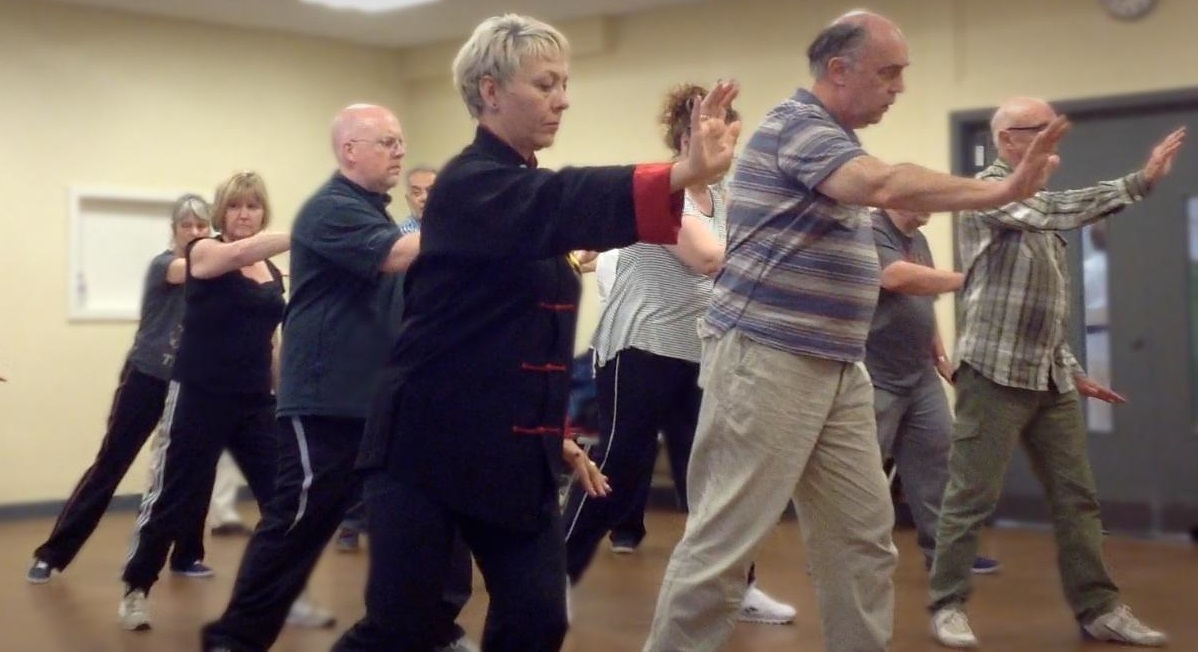
Tai Chi Exercise

What New Challenge Will You Take This Week? Picture credit The Tai Chi Club on Morguefile

I’ve recently been posting on LinkedIn and elsewhere about the feel-good benefits of taking action. Action can mean getting an enterprise of the ground, or encouraging others to make effective use of your time

If you follow the links you will see the context for those posts is making the most of yourself in the world of work. However, in the real world work and life co-exist. Making any kind of change in one part of your life opens up the possibility of a positive outcome in the other.

Starting an exciting new work project adds spice to your social life. Getting people to respect your time at work increases your confidence generally. Having a reserve of confidence to draw on helps you prepare, step forward and change.

How Do You Know That You Are Ready To Change?

Being mindful about your inner state and your readiness to change something significant in your life involves knowing what is in both your head and your heart. Procrastinating about change goals is understandable Taking action on a change goal involves accepting the discomfort you will experience.

Starting a social or commercial enterprise involves making connections; sharing your ideas; overcoming problems; being resilient. It is not a head-based issue. Your heart is involved too. The big question is: How does the idea of changing your situation make you feel? What small, but important, step can you take to increase your confidence levels?

What’s Confidence Got To Do With It?

Like I said you need a reserve of confidence to call on to help you picture your success. You won’t take the first step and plan – let alone undertake – effective action without it. Some people are too low on reserves of confidence to make the first step. Their life goals are low priority items. Their goals lie low on the list, behind the day to day pressures of an agenda topped by paying the bills.

If those pressures persist for long enough they can contribute to health problems. Those problems can escalate to an extent that they become mental health issues (according to the Mental Health Foundation 1 in 4 of us will have a problem like this in the course of the year)

Tackling Mental Health

Great then to see that Sport England is directing £2m ($3.2m or 2.5m Euros) into improving the lives of people with mental health problems.

Their project director (a former boss of mine) Mike Diaper says:

There is compelling evidence that participation in sport and physical activity has a positive influence on mental wellbeing and mental illness. This includes enhancing day-to-day moods, reducing the impact of stress and enhancing self-esteem”.

Obviously there is a long way between under-confidence and serious health conditions like anxiety. I’m just glad some work is being done on these debilitating issues.

How Do You Ensure You Are Taking Good Care of Your Health?

What’s your secret for remaining healthy under the pressure of your personal and working life? If you are preparing to make a major change in your life how do you build up your energy reserves?

  • Is it by ensuring you eat healthily and sleep well?
  • Do you make time for your weekly mind and body work out of Tai Chi?
  • Is your main priority relaxing with your family over the weekend?

Share Your Secrets To Getting Stuff Done

In the pressured world in which we live it is good to know how people maintain their day to day balance. If you are ok sharing your story please add a comment below. You can continue the conversation on Twitter @RogerD_Said too.

Goals 2014: How To Keep From Being A Victim Of A #BadBoss

Can You Spot The Bad Boss? Picture credit seemann at Morguefile

Can You Spot The Bad Boss? Picture credit seemann at Morguefile

Is your leadership making your colleagues sick? Probably not, if you are reading a web post about how to improve your performance. That means concepts like ‘authenticity’ and ‘values’ ring bells with you. Your goals are based in empathy. Your colleagues will be grateful for that.

Having an authentic set of core values means you communicate in a consistent way with your team and clients. You don’t fake it. Your actions show you treat others as you would be treated yourself. Maybe you can influence a Bad Boss you know to help raise productivity, by treating his / her colleagues better?

What Does It Feel Like To Have A Bad Boss?

Years back I experienced BBS (Bad Boss Syndrome) courtesy of a supervisor who used sarcasm, blame shifting and setting team members against one another as a management strategy.

Working for that colleague made Friday evenings a time to celebrate. It also made Sunday evenings a time for regret. I wasn’t the only team member whose job-satisfaction and productivity dropped. Morale wasn’t a metric that interested the Boss. Luckily I was able to move to another job when a reorganisation took place. Some people, sadly, get stuck in situations like this.

How Do You Keep From Being A Victim Of Bad Bosses?

Stay rested; Stay connected to your network; stay optimistic. A good night’s sleep helps maintain your energy levels. Your professional network helps you maintain perspective about your situation. Optimism reminds you that you are located in a situation caused by your Boss, not by you.

I just read about some workplace research in the Washington Post that describes the symptoms caused by the bad boss. I also found an item posted on LinkedIn outlining possible ways to manage the feelings caused by BBS. Good to know that if your boss could be making you sick there is light at the end of the tunnel, since you can learn How successful people handle toxic people . Both articles are worth a few minutes of your time.

Which Questions Help You Start To Combat BBS?

Here are 3 questions to ask yourself if the symptoms of BBS are starting to ring bells with you:

  • How do you wish to be treated by your supervisor in the workplace (if you are a supervisor how do colleagues rate your style)?
  • What is the effect on your productivity of the treatment you receive right now?
  • What action will you take this week to improve the treatment you receive and to become more productive?

Want To Share Your Story With Others?

I’d be very interested to know what actions people have taken, in the past, to improve their situation where their supervisor was harming their productivity. Feel free to share your stories in the comment section, or on Twitter @RogerD_Said

Goals 2014: How Will You Keep Developing Your #Leadership Skills Next Week?

What Connections Do Leaders And Managers Inspire?

What Connections Do Leaders And Managers Inspire?

Are you content to leave tackling your leadership goals until the New Year? Or are you ready to spend 5 minutes today planning your next step towards self-development?

What Happens When Leaders Build On Their Strengths?

If you are motivated to take action to achieve improvement here are some interesting trends from a US study of leaders’ self-improvement results:

  • Leaders can measure their performance gains, when they take action on the goal of developing their strengths.


  • More than 70% of those leaders who focused on building strengths felt they had improved their overall effectiveness


  • Nearly 60% of those strength builders feeling their improvement positively impacted their organisation

The article from which I’ve taken these data was written by Behavioural Statistician Joseph Folkman and is published online by Forbes magazine.

What More Could Leaders Do?

I think it would also be valuable to see how the people who directly report to those leaders view the ‘After’ picture. Also other stakeholders might have valuable views on what the leader’s post-improvement results look like. Do those groups feel more connected to their leadership figure after they have developed, compared to before the change occurred?

The biggest ask would involve leaders applying themselves consistently to the areas in which they are not strong. After all, it is relatively straightforward to take action to build on your strengths. Taking these actions involves going with the flow and doing the things that feel nice and rewarding.

How Challenging Is It To Go Against The Flow?

The real challenge – which involves working against the flow – means acting on goals which involve deep, authentic, growth work. These are the areas where resistance is strongest. These areas touch deep seated fears and are the ones where the knot in the gut usually gets in the way.

That hard work pays off, over time. There are real rewards in overcoming that resistance. Rewards for self, colleagues, and clients. There is a sweetness to those development gains too.

What Does A Mix Of Goals Look Like?

It is a challenge to go full on after hard to reach self-development gains. I remember one of my coaching clients felt much better tackling a mix of goals when she decided where she wanted to be in 12 months, then:

  • Focused on developing her empathic skills (to serve her colleagues and clients better meantimes)

and

  • Prioritised being more assertive (so that she could have a more effective working relationship with her supervisor during her personal development phase).

She was understandably pleased with the results she achieved, over time, by combining straightforward and hard to reach goals.

Which Strength Building and Challenge Goals Will You Act On?

Please use the Comment section here to share your stories of pursuing your goals. Let your colleagues and friends know that goal setting isn’t time consuming and that effective support makes the difference, whether you are in the US, UK, EU or further afield.  Your success will inspire plenty of people who need a nudge to get going.

(Tweet me @RogerD_Said and I will continue the conversation there too).

Goals 2014: 3 Ideas To Help You Stand Out In Your #JobSearch

It is that time of year.  Your goals set last January have been accomplished.  Your summer break is a fading memory and you are back into the familiar rhythm of the working week.  Hopefully you are ready to take decisive action, rather than staring out of the window at the leaves changing colour.

Your Top 3 Job Search Suggestions

If you are looking to change of your job role, or place of work you might find you need to polish up your CV / Resume and covering letter.  The information in the Tweeted link helps you do just that.

Basically the Guardian’s Job Goddess suggests that jobseekers should remember to:

  • Start their letter by talking about the fit between their experience, their skills and the role for which they are applying
  • Specify how much impact they have had in similar roles (How many customers did they have? How much revenue did they generate?)
  • Demonstrate their continuous learning strategy by mentioning what recent qualifications or experience they have gained.

Who Will You Share These Suggestions With?

If this isn’t the right time for you to be moving on who do you know who would benefit from this information?  How will you share it with them?  When are you going to do it?  I’m sure they will be grateful that you passed these ideas on.

Tweet your feedback to me @RogerD_Said or use the Comment section here.   I would love to know how these ideas help in practice.

Goals 2014: 4 Steps To Get The Job Opportunities You Deserve

Why Are You The Ideal Employee?

Why Are You The Ideal Employee?

Is one of your weekend tasks completing a job application? You may need to rethink your approach if previous applications did not generate interview invitations.

Stay resilient and keep applying. You will get the offer of an interview in time.  There are steps you can take to represent yourself authentically when applying for posts.  Those steps will take you closer to your goal.

Remember, an employer has a recruitment goal  which is to hire people like you.  People who have the right combination of positive attitude, experience, skills, and confidence.  Those qualities add value to their teams.  You are explaining why you offer the ideal combination of attitude and experience.

Here are 3 strategies to help you represent yourself well and move toward your ideal job.

Increase The Potential For Getting Shortlisted For Interview

Check to ensure that you are demonstrating that you are a very close fit to the employer’s ‘Must Have’ criteria. Are you drawing on your paid and voluntary experiences to show your skills off fully?

  • Take time to ensure your covering letter echoes the language that the advertiser has used.
  • Repackage your Resume / CV for each application, to highlight the skills and experience which you have built up in the sequence the employer is looking for.  Make sure it makes you closely resemble the ideal interview candidate.
  • Remember, if you are copying and pasting your information into an online form make time to check for typos and changing grammar.
  • Also leave time before the deadline for a final check before pressing send. Trying to rush to produce the application right up to the deadline can be fatal. It increases the potential for errors to creep in. Worse yet, it means you are caught in a crisis if you have computer or broadband problems at the eleventh hour.

Give A Good Account Of Yourself At Your Interview

It is all about you. Not the team in which you worked previously.  What did you do?  How did you make a difference?  Use lots of self -focused language.  I did X in situation Y and the positive effect was Z (from which I learned that…).

  • The employer wants someone whose skills are a good fit; who can confidently deal with familiar and novel situations; and fit in with her existing team. How many examples of fitting in and team work does your life story contain?

Manage The Outcome Of Your Interview

If you have stood out from the other interviewees you may be offered the job. Congratulations!  Do your best work to sail through the probationary period and become a valuable team member.

If you didn’t appear to be the best person for the job you will get told that you haven’t been successful.

  • You should be offered some feedback, if not politely ask for some. You are interested in your development after all, so knowing how to be better in your next interview is a smart move.
  • If the organisation won’t provide any you have learned something about their attitude to people. If they do give you feedback take it on board and create an action plan to address any developmental points. Then take action to help yourself.

What Will You Do Differently Now?

If this information has helped you identify the action you need to take please share this post with someone who would find it useful. Please use the Comment section, or social media – my details are below – to add your voice to the conversation.


My Twitter feed is @rogerd_said

I’m On Facebook and Google+ too.

If you prefer you can use LinkedIn to View Roger Dennison’s profile

Goals 2014: 3 Questions To Help You Find Your #Purpose Or #Calling This Autumn

Coffee Psychology Graphic

Image From Filtered Magazine: You Can Find Your Calling And Purpose During Your Coffee Break

When was the last time you sat down with friends and talked deeply about the connection between the life you are leading professionally and personally, and your self-fulfilment goals?

If it has been a while it might be a good time to review things.  As the days are shortening, and Autumn is approaching, here are some thoughts to help you consider your purpose and calling (perhaps during your coffee break).

Where Do You Get Your Inspiration?

It definitely helps to have fresh inspiration on board courtesy of speakers at a London College of Spirituality event, Kathleen O’Hara and Rasheed Ogunlaru Perhaps learning about the achievements of explorers, scientists, inventors and writers at an Open House London Event is good for self-reflection too. Whatever the motivation it is amazing how much insight a Regular sized Mocha can offer.  Filtered Magazine could be onto something, where their illustration relates types of coffee swallowed to our psychological states.  Or maybe it’s just the Caffeine.

3 Questions On Your Life’s Purpose or Calling

With the aid of coffee and carbs 3 of us sat down to reflect.  We figured there are 3 major questions in life:

  • How do you know what you are called to do with your life?
  • What path can you follow once you understand yourself?
  • Is there a key quality someone needs to succeed whether they are 18 or 48 years old?

How Do Our 3 Answers Compare To Yours?

Here are 3 answers to those ‘purpose’ questions: what answers would you give?

  • Your Calling depends on your values. What are the essentials you require from your life and what ethical actions will you take to get them?
  • Your Path echoes a new favourite quote from the late Arthur Ashe (Start where you are. Use what you have. Do what you can.) in other words make the best of your current situation, drawing on what resources you have available as a result of the choices that have already occurred in your life
  • The must-have Quality for the 21st century has to be Resilience : that quality (or ones close to it) come into play when: a) Your Client wants more outputs in less time b) Your Boss says your work quality must improve c) Your Significant other lets you know they think you are working too hard.

Over to you: what answers would you give to the Calling / Path / Essential Quality questions?

What Do You Feel About Your Calling?

These are a deep series of questions, so well done for going through them. Here are the final points to consider.

How many marks out of 10 does your current role score when you consider this statement:

‘My current role is precisely what I am called to do’

(10 = Strongly Agree; 5 = Neither Agree or Disagree; 1 = Strongly Disagree).

Want To Keep The Conversation Going?

What do you feel about the score you gave your role? What, if anything, will you do to change that score?  Feel free to share your responses in the comment section below.

You can also Tweet me @RogerD_Said to develop this dialogue.  Please share the post with someone who may benefit from reading it. In that way we will keep this important conversation growing.

Goals 2014: What Is The Secret To Building An #EffectiveTeam ?

What Connections Do Leaders And Managers Inspire?

What Connections Do Leaders And Managers Inspire?

The summer is nearly over.  It is now the season for you, as an effective leader, to take action on one of your more important goals: helping to build new teams.

In the UK, the US, the EU and right around the world:

  • College tutors will be helping with the induction of new students.
  • Teachers will create the climate where heir classes adjust to being in a new grade, or year group.
  • In large and small workplaces graduate entrants will begin their corporate careers.

Soon skilled and confident leaders will be ensuring their new starters have an equal chance to quickly engage with their new colleagues and produce their very best work for their customers. Equality, engagement and productivity are connected to great teamwork, wherever you are.

What Can The Values Of The US Marine Corps Teach Leaders And Team Members?

Here are some thoughts from YouTube on the Circle of Safety which authentic leadership creates.  These come courtesy of Simon Sinek’s study of effective team building within the US Marine Corps.

Have You Got A Great Story To Tell About Effective Teams, Leadership And Supportive Connections?

Why not share your thoughts, in the comment section or on Twitter @RogerD_Said , about your experience of effective leadership in your team whether in school, college, or workplace.

If you like this post please share it with someone who would benefit from seeing it.

Want to know more about taking action on your goals? Please feel free to follow me on Facebook and Google+ too. Or if Linkedin is your thing why not View Roger Dennison’s profile

Goals 2014: What Can You Do To Improve Your Sense Of #WellBeing ?

Robin Williams

How Are You Taking Care Of Your Own & Others’ Well-Being?

I first came across Robin Williams’ work on the 1970s US tv show Mork & Mindy.  I remember liking the cartoon energy in his performance.  He was larger than life, well my life in the UK anyway.  I was young though, so the subtle side of his work went over my head.  I grew to appreciate the breadth of his talent over the intervening years.

Robin Williams’ death, at 63 years of age, made me cry.  It was shocking.  Shocking in part because he was relatively young, much loved and hugely talented.  Shocking mostly because of the link to mental health.

What Is Your Well-Being Strategy?

You can never tell what mental health challenges someone might be facing.  According to the Mental Health Foundation  1 in 4 of us in the UK will have a problem this year.  These challenges cut across age, class, ethnicity, sexual orientation and other barriers.  Men in particular can end up stoically suffering in silence.  Men’s Health magazine offers a unisex slideshow on actions that result in feeling happier  What is your strategy?

Well-Being Goals For Leaders And Managers

The ordinary pressures of life can have a very hard impact on some people who are already feeling vulnerable.  The concepts of austerity and more-for-less are permanent features of the employment landscape now.  What impact do they have on your sense of well-being?

As the Men’s Health slideshow suggests being mindful of our own mental-health needs and taking action is important within the workplace and outside of it.

Leaders and managers also have an important role to play in contributing to healthier workplace outcomes.  They can create an authentic workplace culture which supports staff engagement; a sub-set of which is well-being.

As a large UK employer the Civil Service outlines their engagement strategy here for their 463,000 plus members of staff and millions of customers.

Staff in any sized organisation are more confident if they know that their bosses support their well-being as they are seen as people, not just workers.  There is a relationship between confidence, resilience and productivity.  Confident leaders make it possible for colleagues to have conversations about managing workplace pressures more effectively.  What are your leaders doing to facilitate those conversations?

How Do You Help Others Through Their Day?

Finally, I like the idea of positively influencing others.  One of my goals is to treat others as I wish to be treated myself.  Being thoughtful towards others feels good.  Plus, it might lighten the strain on anyone who is having a tough day.  How do you help the important people in your life manage the pressures in their life?

Here are 10 quotes courtesy of Mashable  related to Mr Williams.  I hope you find them inspiring.  Feel free to share this post, comment below and keep the discussion going @RogerD_Said

Rest in Peace Robin.

Goals 2014: 3 Questions To Inspire Your #PersonalDevelopment Actions

You Can Act Without Perfect Preparation

You Can Act Without Perfect Preparation

I’ve had this Arthur Ashe quote in my head since I heard it in the acceptance speech  the US football player Michael Sam gave recently, when receiving an award for courage.  The quote suggests you can take action right now, if you believe you can.

How can you use the relationship between confidence and action when achieving authenticity?

When is your right time to confidently take the action to experience your life more authentically?

I think authenticity, confidence / courage and action inter-relate.  This inter-relationship even came up when friends and I were speaking over Sunday lunch recently about pursuing professional or personal goals.

The view around the lunch table was that confident people take steps to move forward, so that there is more of a smooth flow to their professional and personal lives.   We recognised that at times in the past we hadn’t necessarily taken action for a number of reasons, including:

  • Competing pressures on our time
  • Needing to feel more confident or courageous before we could succeed
  • Surrendering to external resistance keeping us from changing

Do any of those factors ring bells with you?  The questions below may be helpful if so.  This is territory I started to explore in a post I wrote in June 2012.  There I was asking about the results you would get if you asked for what you wanted.

Bottom line.  You have to feel confident to ask for what you want.  In the same way you need confidence to know that you will succeed before you take meaningful action.  The outcome of your action – the reward for your courage – is greater authenticity.

3 Questions to inspire you to take personal development action

Here are the 3 questions you might want to work on and use as inspiration tomorrow, when you take action:

  • How much better will your life be in 12 months’ time if you start to take action to address your main personal improvement goal tomorrow?
  • How much easier will your actions seem if you have the on-going support of your spouse / boss / best friend?
  • What will you feel like in 12 months’ time if you have done nothing to tackle the goal you know in your heart is your number 1 priority?

Over to you

By all means have a conversation with family / colleagues / friends about the actions you will take to get what you want.  I’d love to hear what you have planned.  You can let me know how you get on via the Contact form, or you can find me on Twitter @RogerD_said

There are more ideas relating to your work and life goals in the Archive section here and on Facebook and Google+ too.  Or if you are a Linkedin user you can visit View Roger Dennison’s profile and learn more there.